EV Cost in Nepal: 7 Hidden Expenses You Need to Consider
June 29, 2026
EV Cost in Nepal: 7 Hidden Expenses You Need to Consider
June 29, 2026
Many Nepali people are actively choosing electric vehicles over traditional gas vehicles. This shift is occurring at a rapid pace because of increasing fuel costs, government support, lower operating costs, and growing environmental awareness.
EVs are no longer viewed as a luxury option but rather as a practical and economical mode of transportation.
But buyers only calculate the car price and expected fuel savings, which is incorrect because the actual cost goes beyond these tags, and understanding it will help buyers make informed decisions and avoid making unexpected financial burdens in the future.
A lot of first-time buyers tend to look at the EV car rates and compare them with ICE vehicle ones.
They do not consider other expenses like charging infrastructure, battery health, insurance premiums, maintenance requirements, and resale value, which all add up to total ownership cost.
While all these expenses depend on EV model, battery size, charging habits, and annual mileage, ignoring them can lead to unrealistic values regarding long-term savings.
The good thing about electric vehicles is that they offer strong value for money if costs are managed properly.
Here are the 7 hidden expenses in electric vehicles people fail to realize:
Home charging setup and installation is the very first expense new ev owners must pay, which is around NPR 20,000. This allows them to recharge their vehicles' batteries at home to the max and reduces the visits to public charging stations.
Many dealers provide a charger with the new vehicle, but the home installation services are not included when buying. While it's a one-time fee, the additional expenses may spike depending on electrical structure, wiring upgrades, dedicated charging circuits, safety, etc.
People switch to EVs because of the unstable rise in fuel costs and their high expectations of savings. The cost to recharge an electric vehicle is far less than refueling it, but remember that the cost shifts to the household electricity bill.
People who drive cars daily and cover long distances will consume more electricity than those using for occasional commuting. Owners must include anticipated EV charging costs in their ownership calculations rather than assuming it.
Modern EV batteries are designed to be more durable and maintain strong performance for many years. However, like every rechargeable battery, they gradually lose their capacity and performance over time due to repeated charging and discharging cycles.
While battery replacement is unlikely to occur during the early years of ownership, it remains a major financial constraint for owners with long-term usage.
Insurance is another hidden expense many EV buyers overlook when calculating total costs. Since electric vehicles often have higher price tags and expensive battery systems, insurance companies may charge higher premiums compared to similarly sized fuel-powered vehicles.
Despite the premiums being high, it offers a protection package against accidents, theft, natural disasters, and unexpected repair costs, making it a great deal.
Nepal has made significant progress in expanding its EV charging network around different parts, making electric vehicles more attractive than the fuel-powered ones. It's available across many cities, highways, and commercial centers, making long-distance travel more convenient but time-consuming and a little costly.
The changing networks are growing at a rapid pace and are great backups for long travels and emergencies.
Just because EVs have fewer moving parts than petrol or diesel vehicles doesn't mean they do not require regular maintenance and component replacement. They can get heavy because of the battery packs in them, which wear out the tires due to load.
Components like suspensions, brakes, air filters, and cooling systems require periodic inspection and servicing, which adds up to the expense. While maintenance costs are generally lower than fuel vehicles, owners should still include these in long-term ownership planning.
With price tags and charging costs in mind, buyers forget the resale value of the vehicle. Since most of the people buy and use it for a long period of time, the value of the vehicle depreciates based on multiple factors like battery health, brand reputation, service network availability, market demand, and technological advancements.
Vehicles from well-established brands with strong after-sales support generally retain their value better than those less familiar ones.
Nepali people enjoy numerous advantages like lower fuel costs, reduced emissions, quieter operation, and lower routine maintenance requirements when buying an electric vehicle.
But the true cost of owning an EV involves more than just some simple comparison between electricity costs and petrol expenses. Understanding all the hidden expenses that are explained above allows buyers to set realistic expectations of saving and create an accurate ownership budget.
With careful planning and responsible ownership, EVs remain one of the most cost-effective and practical transportation solutions available in Nepal today.
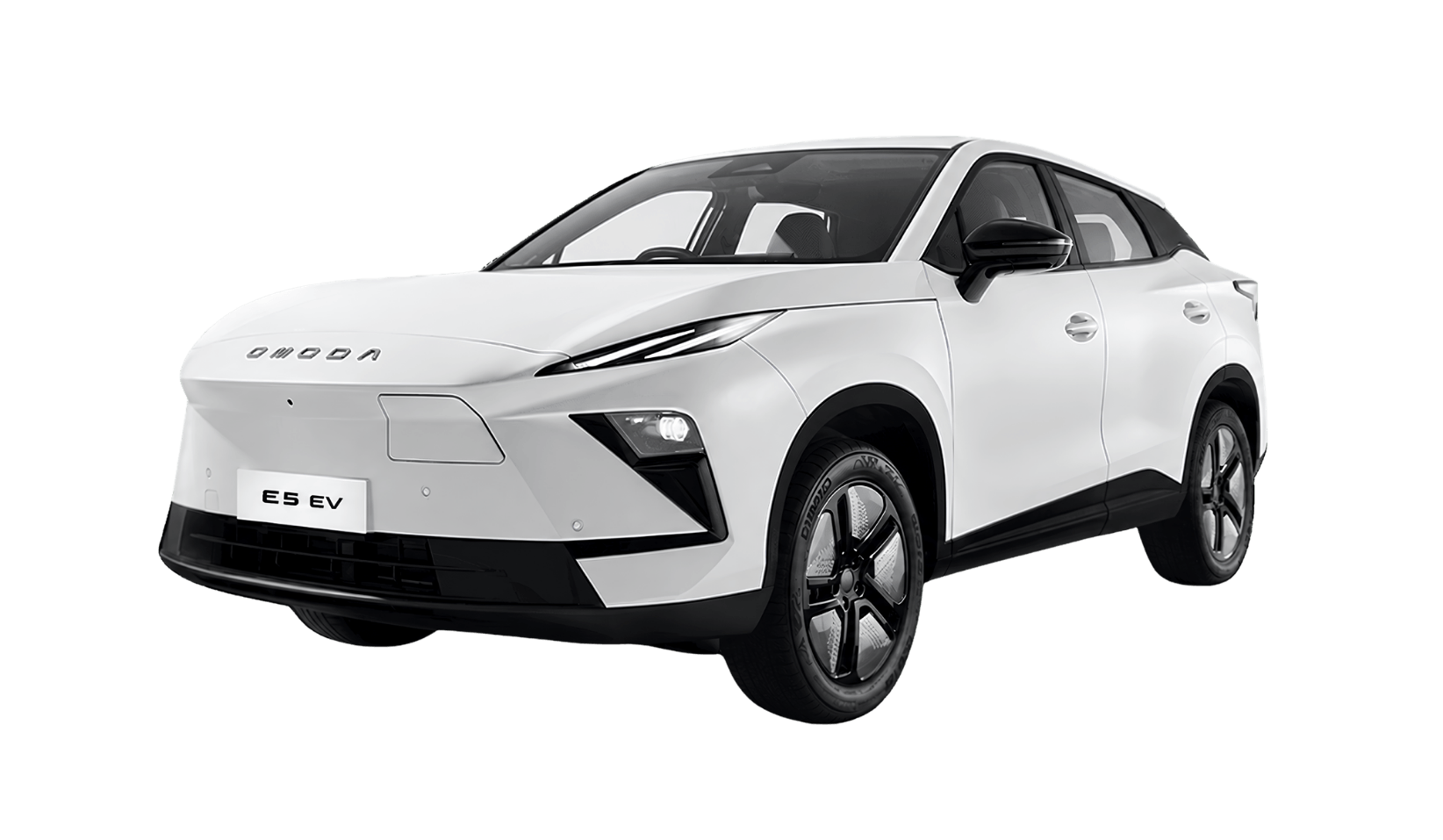
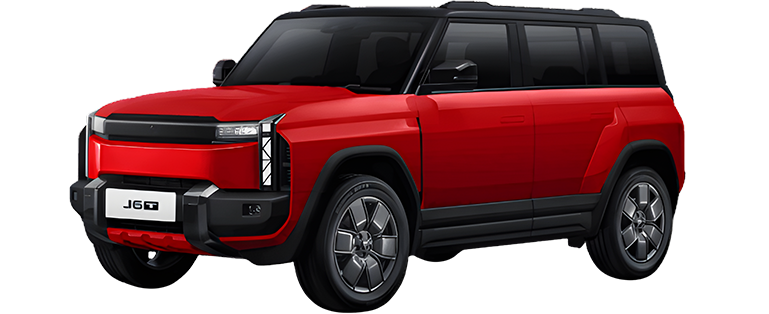
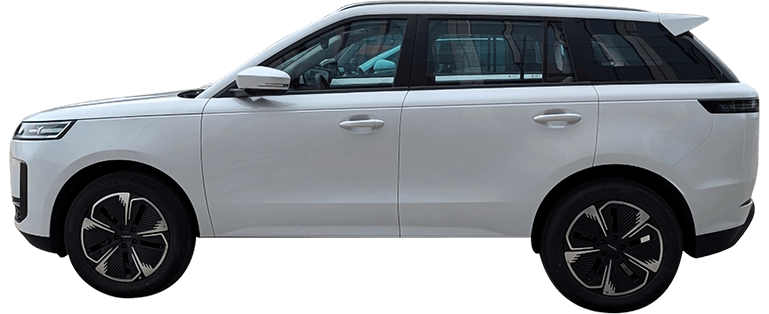
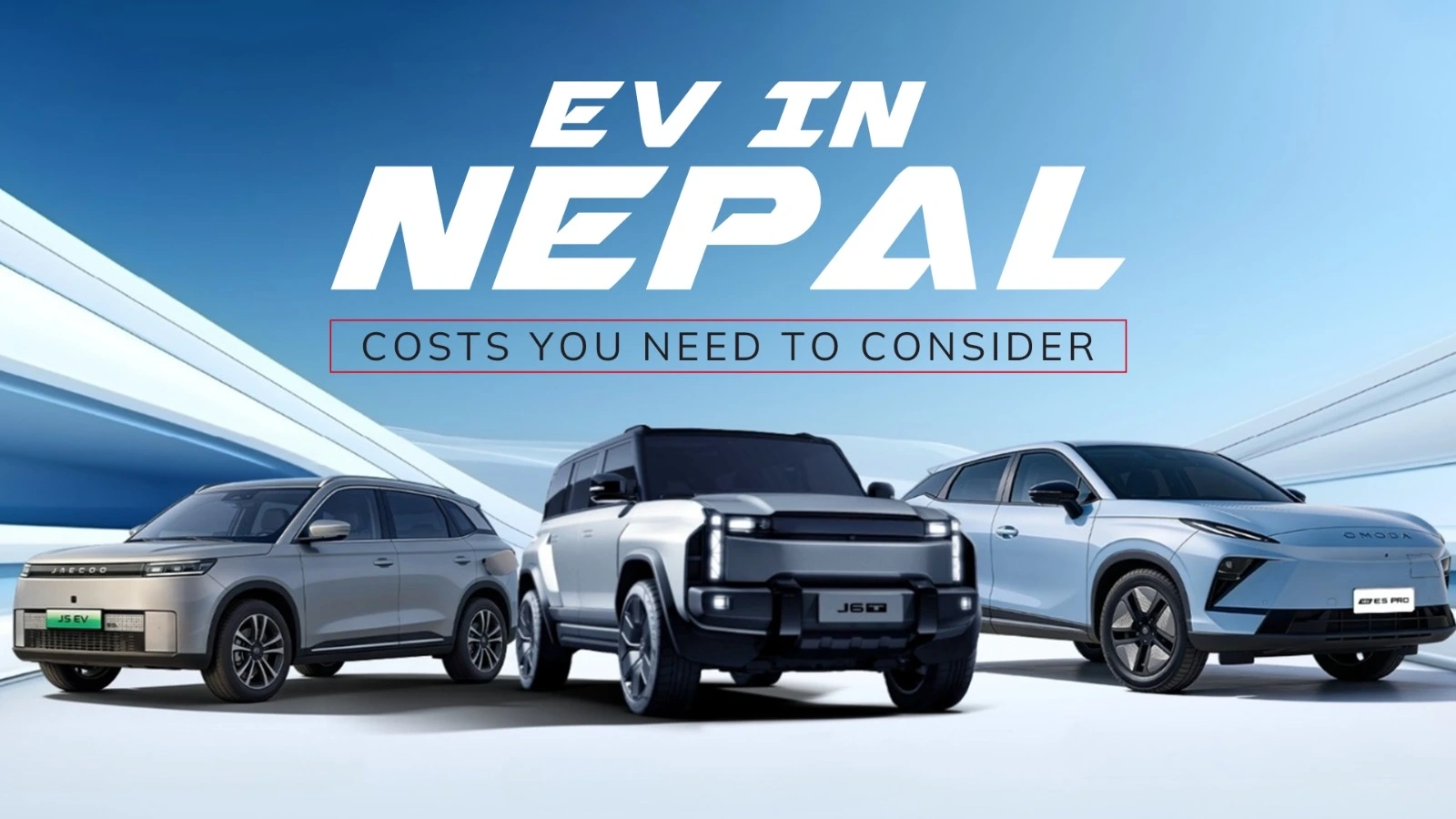
Thinking about buying the best electric vehicle in Nepal? Visit Omoda & Jaecoo Nepal today and explore a range of innovative EVs designed for performance, comfort, and efficiency.
The cost to charge an EV car in Nepal depends on the vehicle's battery size, electricity tariff, and charging method.
Yes, buying an EV in Nepal is worth it because of the lower running costs, reduced maintenance price, and savings.
Some of the hidden costs of owning an EV in Nepal are charger installation, electricity bills, insurance premiums, battery replacement, and depreciation.
No, public charging stations charge users based on electricity consumption or charging speed
Yes, EVs generally require less maintenance than petrol or diesel vehicles because they have fewer moving parts and simpler mechanical systems.