EV vs Petrol/Diesel Car
August 21, 2025
EV vs Petrol/Diesel Car
August 21, 2025
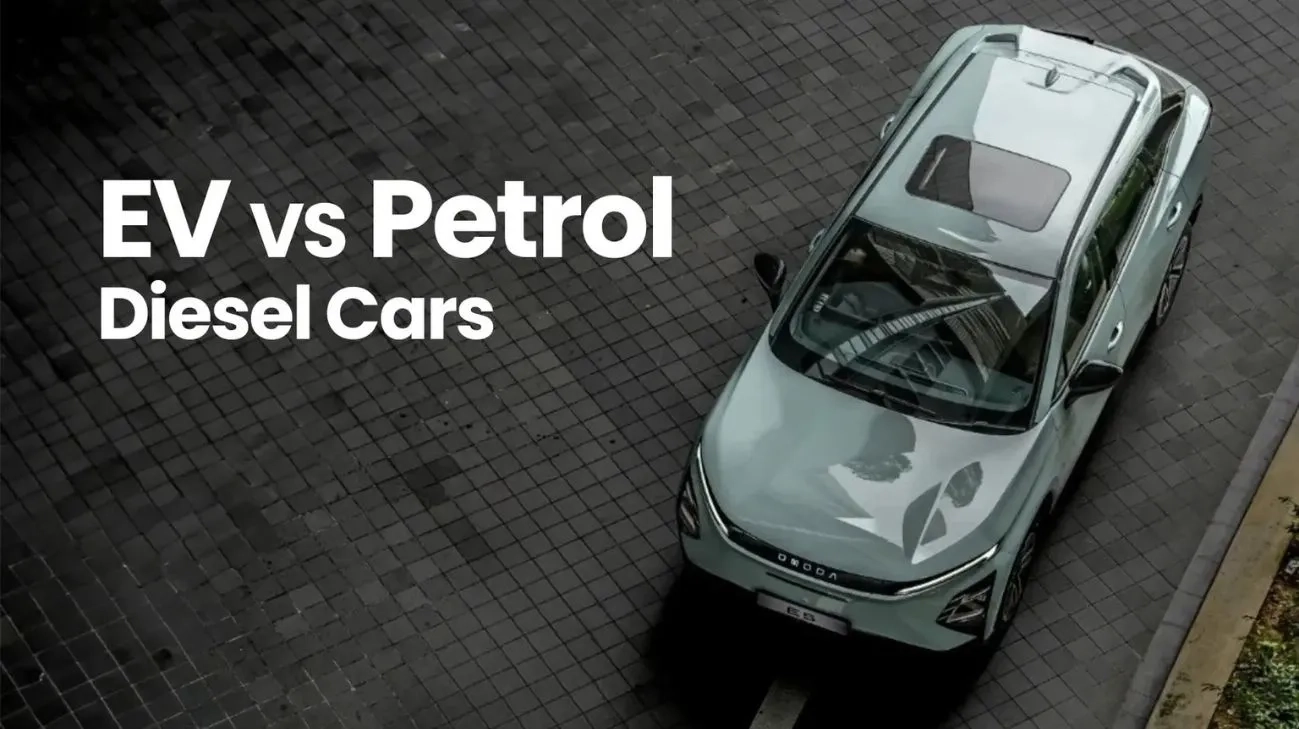
EVs have become increasingly popular in recent years. This has made a huge turning point in the automotive industry.
The ongoing debate of EV vs Petrol/Diesel car are no longer about personal preference but more about cost, performance, and the environment.
While the government around the world is pushing for electric car, new innovations are arriving every year. Let us dive deeper into the key differences between these types of vehicles.
Discover key differences in cost, performance, and environmental impact in this blog. Make the right choice before you buy your next purchase. Make your investment worth it and make the right purchase.
An Electric Vehicle runs on electricity stored in rechargeable batteries. It uses an electric motor powered by a battery. Which can be recharged time and again. It offers a more sustainable alternative to traditional vehicles as it produces. Zero tailpipe emissions. This helps to control air pollution and greenhouse gases.
A petrol/diesel car is a vehicle that is powered by an internal combustion engine (ICE) that uses either petrol or diesel fuel to generate power. It has been the favored car over the last 50 years.
It is liked for its quick refueling capacity and long-distance travel capability, but it is also a major reason for air pollution and greenhouse gases.
EVs are more environmentally friendly, as they have zero emissions while driving.
While the elements of the batteries, like lithium, cobalt, and nickel, have a negative environmental effect over their lifetime, the EV cars have a much smaller carbon footprint.
Research in battery recycling will further reduce the carbon footprint of an electric vehicle.
Petrol and diesel cars produce a huge amount of emissions directly from burning fuel for power. It is a great contributor to the air population and climate change.
Even the modern, efficient engines have greater emissions than EVs. These areas are prone to releasing nitrogen oxides, which are harmful to human health.
EVs often have more advanced technologies in them. Features like over-the-air updates, advanced infotainment systems like in-car entertainment, audio controls, navigation, climate control, smartphone integration, and automatic driving features.
They also include regenerative braking systems, smart energy management, and AI-powered driving features.
ICE is less tech-heavy and more often requires manual efforts. This can make it an easier option to repair in remote areas, but the overall technology provided in an electric car is far superior to a petrol or diesel car.
Maintenance is a lot easier in EVs; there are no oil changes, fewer fluids in them, and fewer moving parts than a typical car. It will also require less frequent maintenance.
The brakes are also protected by the regenerative braking feature. The most essential checks will be of battery health and software updates.
ICE cars have a much bigger maintenance cost, as they require frequent oil changes, exhaust checks, and more mechanical servicing. These will lead to high lifetime maintenance costs.
They will also require a change of spark plugs, air filter, fuel filters, and timing belts. The complexity of these changes can also lead to huge bills.
EVs have a much lower resale value than a typical car. Battery degradation, tech updates, and charging infrastructure can play a huge role in the resale value.
Models from reputable brands with long battery warranties have better resale value compared to others.
But the new international rules, like not being able to own a fuel car older than 20 years, can play a significant role in deciding the resale value of cars.
If you look at the past data, the resale value of ICE cars is much higher. But due to the new government rules, that may all change.
Larger engines and luxury cars will still have good resale value, but the stricter emission standards can depreciate the value of normal petrol/diesel cars.
| Feature | EVs | Petrol/Diesel Car |
|---|---|---|
| Purchase Price | Higher | Lower |
| Running Costs | Lower | Higher |
| Maintenance | Lower | Higher |
| Range | Moderate | Higher |
| Refueling/Charging | Slower | Faster |
| Environmental Impact | Low | High |
| Tech Features | Advance | Moderate |
If you are currently planning on switching to an EV or buying a new car, think no more because the technologies in EVs have made them convenient for every situation.
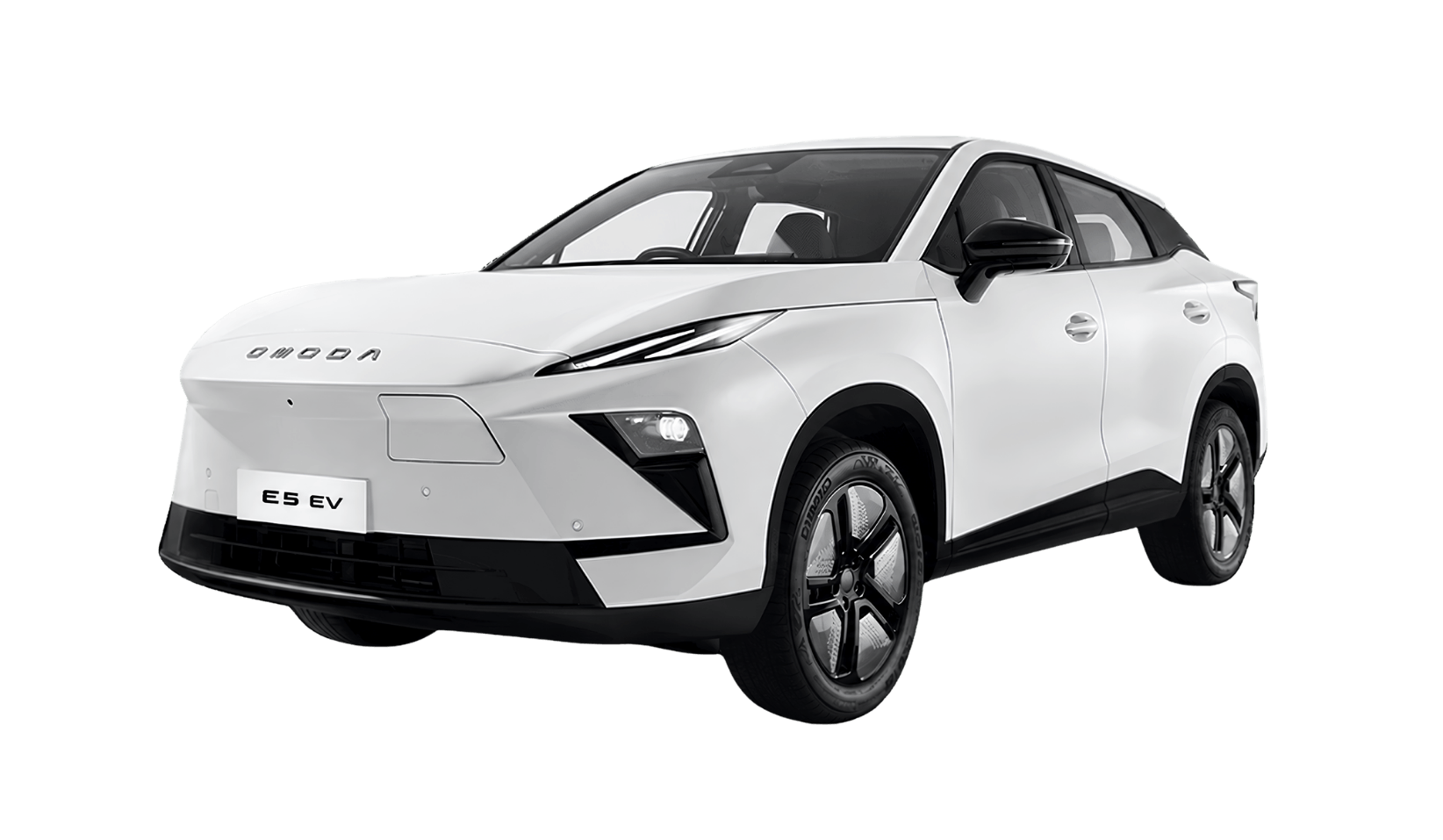
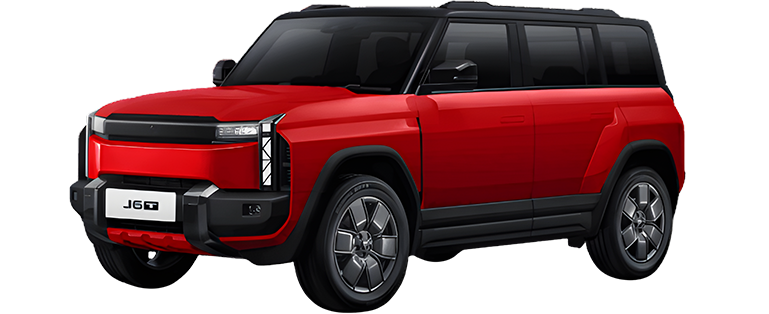
If you are looking for an ideal EV that suits your taste and has a wide range of selection, go for OMODA & JAECOO.
The OMODAJAECOO provides buyers with a wide range of selections with advanced features; from EV cars for city life to off-roading, it has it all.
The shining part is that the charging stations for Omoda & Jaecoo EVs are spread throughout Nepal, so travel with ease with Omoda & Jaecoo.
EV vs Petrol/Diesel car debate will always come back to personal preference, usage, budget, and requirement. If the new technologies, lowest running cost, and green vehicle are what you're looking for, then an EV will be the ideal choice for you.
But if you don't look for these qualities but want long-distance roadability and quick refueling and live in a place with fewer charging stations, then petrol or diesel can be your option.
We all know electric will be the future, but the right choice depends on your personal wants and needs.
As time passes by, technology and policies will evolve, and then EVs will be the clear-cut winner between the two.
Yes, EVs are much cheaper than other types of cars because electricity is far cheaper than fuel per mile, and the maintenance costs are also lower when compared.
It is not entirely certain that ICE cars will be banned in the future, but many countries are planning to phase out their sales by 2035. They can still be owned by their usability, and their resale value will decline.
Typically, it will take around 6 to 10 hours to charge your electric car to a full battery. The charging speed will be different according to battery size and charging speed.
Yes, electric vehicles require less maintenance, as they have fewer moving parts, require no oil changes, have reduced brake wear, and have lower maintenance costs.