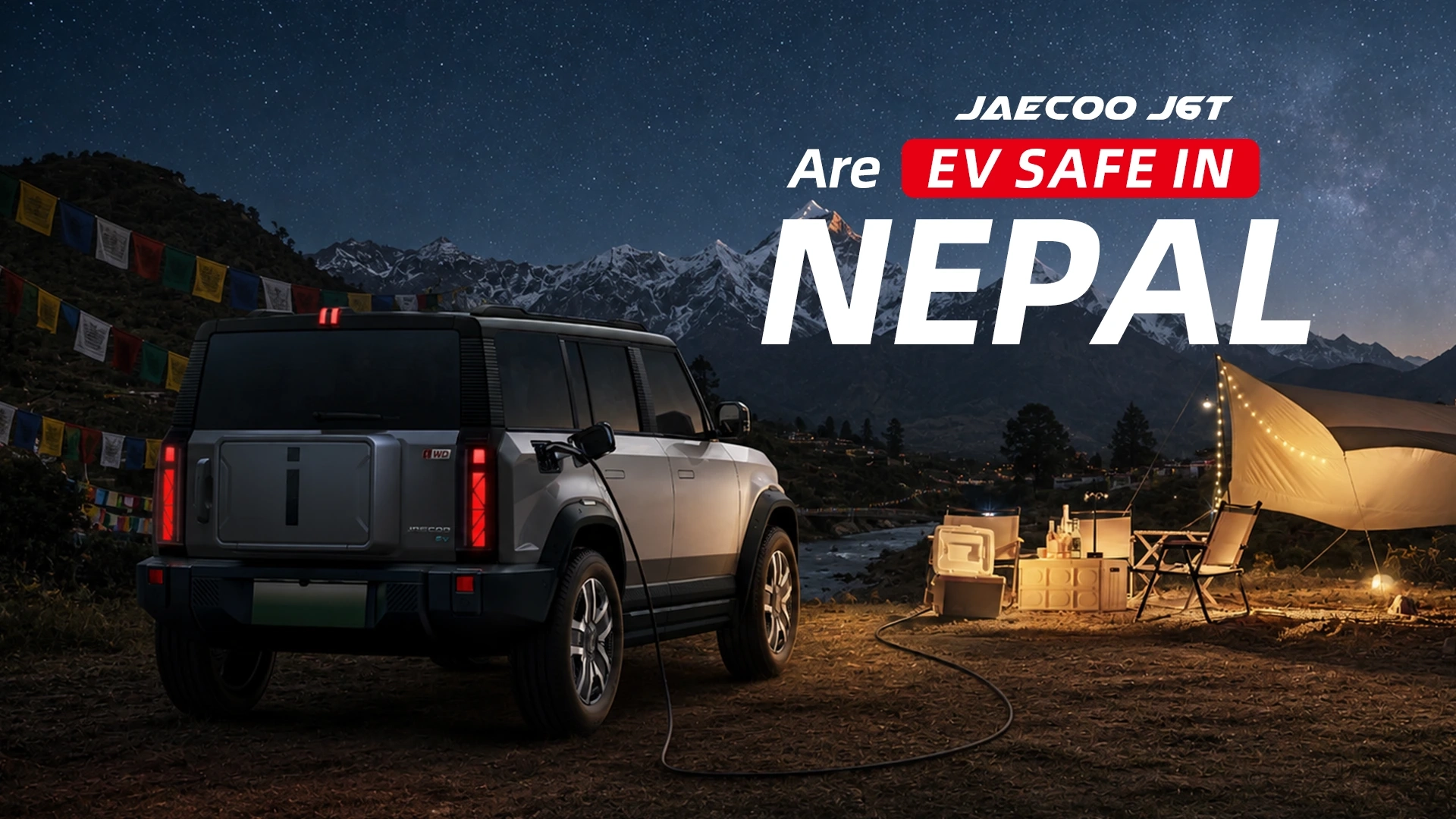
Are EVs Safe in Nepal? The Reality Behind Nepal’s Growing EV Market
May 26, 2026
Are EVs Safe in Nepal? The Reality Behind Nepal’s Growing EV Market
May 26, 2026
In Nepal, rising fuel prices, lower running costs, and government tax benefits have encouraged more consumers to shift towards electric mobility.
And now EVs have become a major part of Nepal’s automotive market, especially in urban areas.
As there will be more EV adoption, there will be a rise of some concerns as well. Commonly appearing concerns are regarding battery safety, charging infrastructure, road conditions, and government regulation.
While modern EVs are generally considered safe, Nepal still faces some infrastructure and policy-related challenges that affect the overall EV ownership experience.
Many EV owners and people planning to buy EVs have safety concerns; there is no need to worry because modern EVs are built with advanced safety systems.
Most modern EVs have battery protection technology, thermal management systems, and automatic power cut-off during collisions. Compared to traditional motor vehicles, EVs have few mechanical components, reducing maintenance-related issues.
However, Nepal's long-term EV safety is largely dependent on:
These factors are becoming increasingly significant for both buyers and policymakers as Nepal's EV market continues to expand.
One of the biggest concerns surrounding electric vehicles is battery safety. Most of these automobiles use lithium-ion batteries, which require proper charging, temperature control, and maintenance.
With Nepal’s rough roads, potholes, steep terrain, and monsoon conditions, there can be additional stress on EV battery systems. Along with that, there are many things that Nepal lacks:
Although EV battery fire incidents are relatively rare, Nepal’s limited preparedness raises concerns about long-term EV safety management.
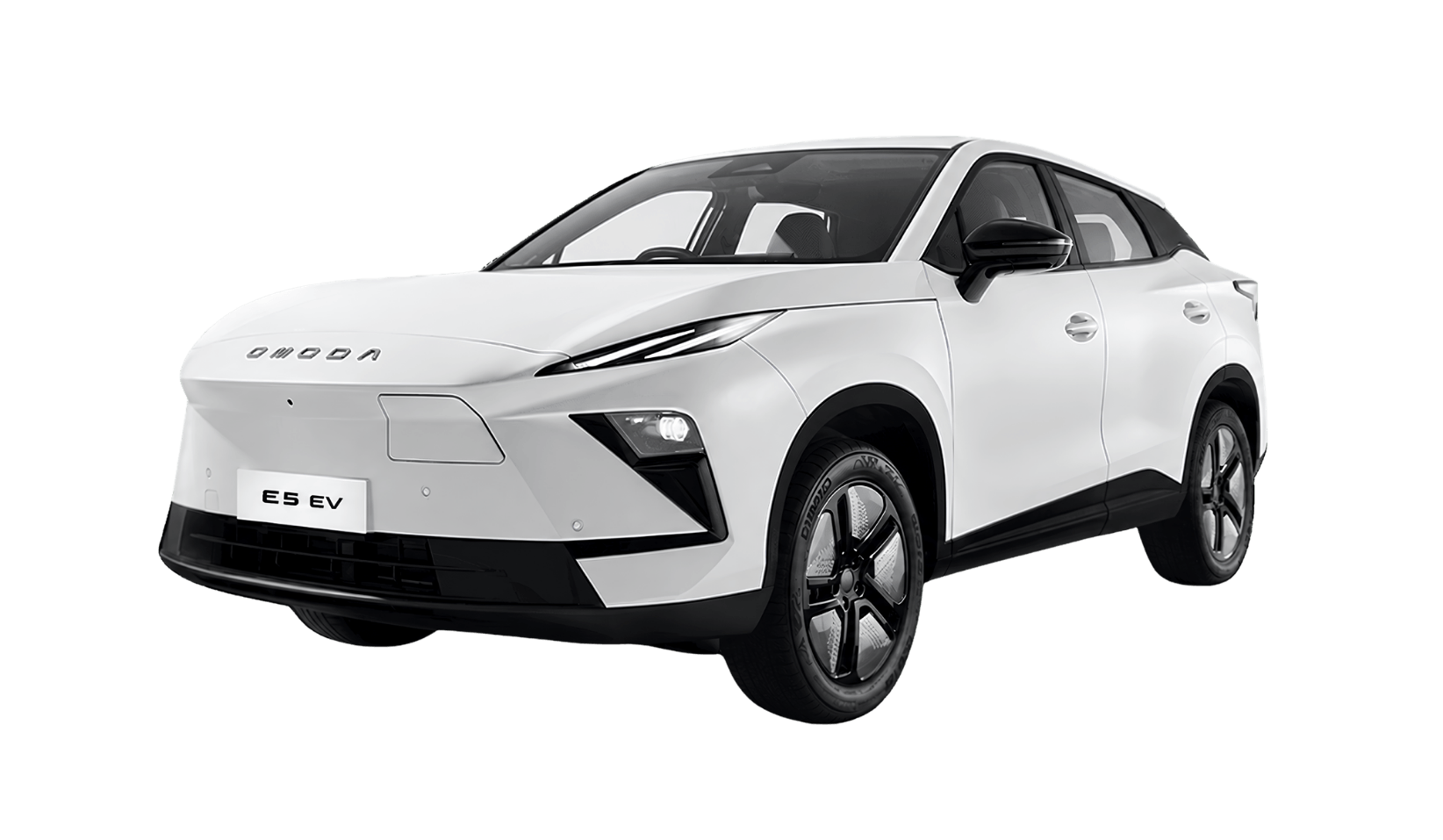
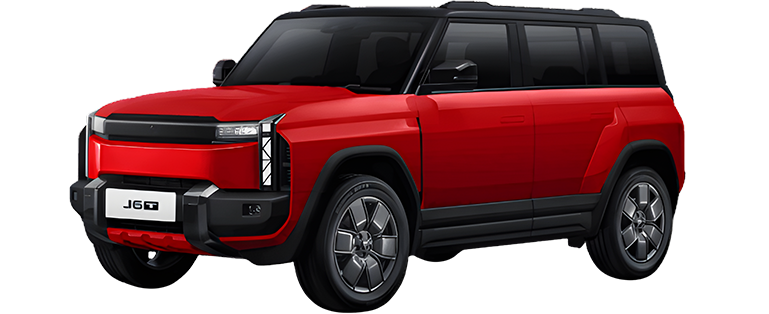
But with OMODA & JAECOO, you don’t have to worry; we provide a premium battery with 8 years of warranty along with 3 years of extended warranty on our battery.
Nepal’s road conditions remain a challenge for all vehicles, including EVs. Poor roads, flooding during monsoon season, and inconsistent infrastructure can affect vehicle durability and battery performance.
For this reason, buyers in Nepal now prioritize the following:
Modern EVs from reputable brands are performing well in Nepal, particularly in city driving and highway use.
The Nepali government has strongly promoted EV adoption through reduced taxes and import incentives. These policies have made EVs more affordable and accelerated market growth.
However, regulatory systems have not developed at the same pace. Current concerns include:
There have also been discussions regarding import tax verification and motor-capacity declaration issues within Nepal’s EV market.
As EV adoption continues to rise, stronger regulations and long-term infrastructure planning will become increasingly important.
Nepal’s charging network has improved significantly in recent years, especially in Kathmandu and major highways. However, several limitations still remain:
Continued infrastructure development will be essential for supporting Nepal’s growing EV ecosystem.
Even though there are many existing challenges, EVs offer significant advantages for Nepali consumers. They have low operating costs, reduced maintenance expenses, and increasing fuel prices have made it a long-term option for Nepalese.
If there is a proper battery management system and sustainability towards the environment, modern EVs are safe and reliable.
A daily driving can be a great experience if buyers choose trusted brands like OMODA & JAECOO in which they get proper safety systems and after-sales support in long run.
Electric vehicles have become a major part of Nepal’s transportation future. While EVs are technologically advanced and generally safe, Nepal still needs stronger infrastructure and better regulatory systems to fully support long-term EV sustainability.
The future of EV safety in Nepal will depend on:
In order to establish a sustainable and dependable electric vehicle market, Nepal must simultaneously balance rapid growth in electric vehicles (EVs).
Choose reputable brands such as OMODA & JAECOO to ensure that the safety standards are met during the transition to electric mobility.
With OMODA & JAECOO, you get 8 years of warranty on your car and 3 years of extended warranty, making it reliable for life.
Yes, modern EVs are generally safe, but their real-world safety in Nepal depends on battery quality, road conditions, charging habits, and government regulation.
The main concerns are battery safety, rough road conditions, monsoon damage, limited charging infrastructure, weak recycling systems, and lack of strong EV-specific regulations.
Yes, poor roads, potholes, floods, and steep terrain can put extra stress on EV suspension and battery systems, which is why ground clearance and battery protection matter a lot.
It is improving, especially in Kathmandu and along major highways, but remote areas still face problems like limited fast charging, uneven station distribution, and power fluctuation.
Yes, for many buyers they are worth it because of lower running costs, lower maintenance, and fuel savings, but choosing a trusted brand with good safety systems and after-sales support is important.
Yes. OMODA & JAECOO vehicles come with modern safety features, strong battery protection, and automatic power cut-off systems. They are built for safe daily driving on Nepali roads. With a premium battery warranty and extended warranty support, they also give buyers extra peace of mind.