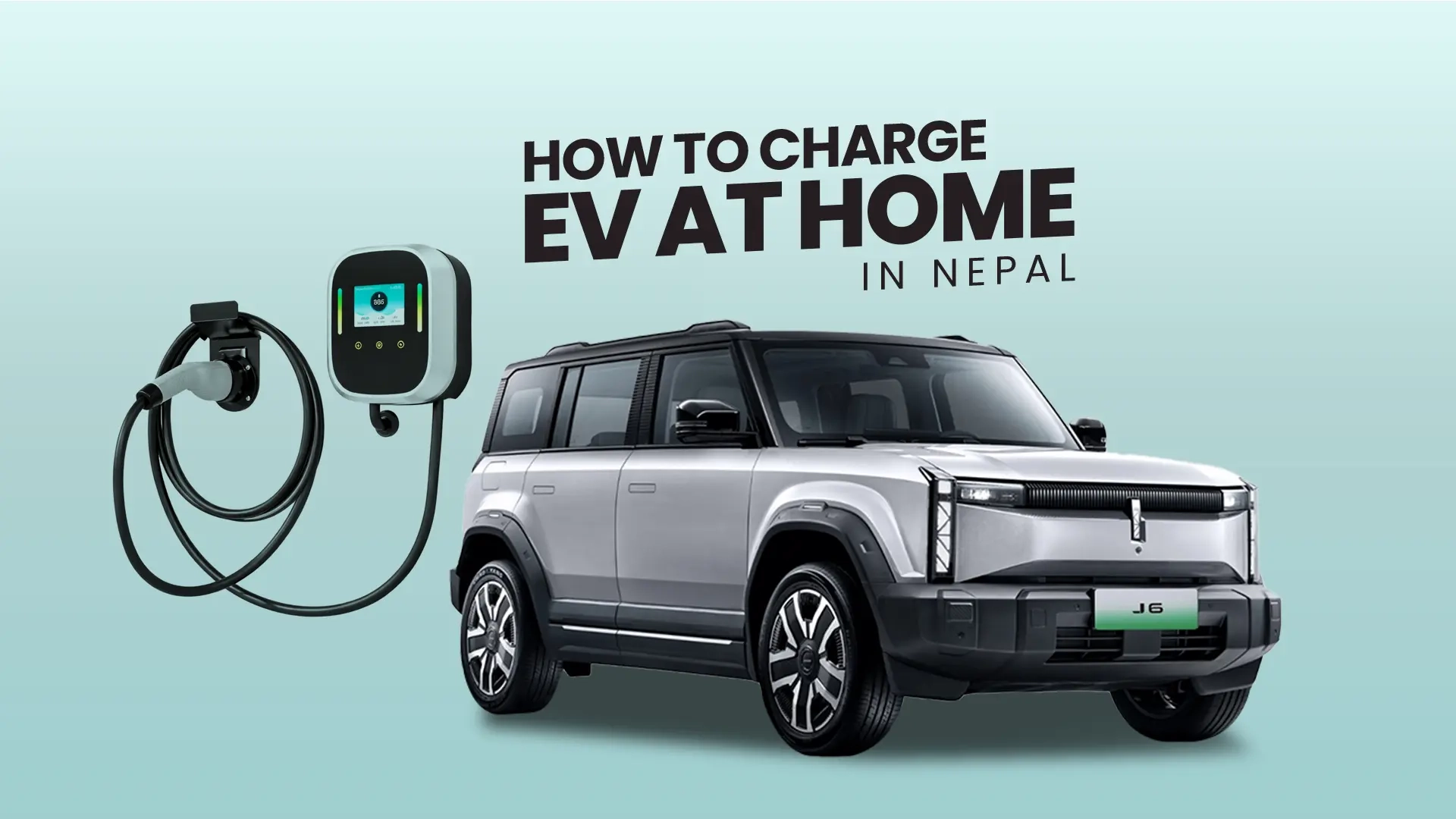
How to Charge an EV at Home in Nepal?
January 18, 2026
How to Charge an EV at Home in Nepal?
January 18, 2026
Nepal is rapidly adopting electric vehicles (EVs), and with that, home charging has become a need.
Having home charging is the most practical and preferred solution for many EV owners. Charging your EV at home offers convenience, cost savings, and better control over your daily charging routine.
Here we have provided an overview on how to charge an electric vehicle at home in Nepal. Having the idea of charger options, installation requirements, and costs provides safety considerations.
Home charging allows EV owners to start each day with a fully charged vehicle without depending entirely on public charging stations. It is ideal for daily commuters and households with their own parking space.
Key benefits include:
Level 1 charging uses a standard household power outlet and is usually included with the vehicle. Level 1, while it’s more accessible, takes a longer time to charge, as it’s only 120V.
This option is ideal for drivers who travel short distances and can leave their vehicle plugged in for extended periods of time.
Level 2 charging is the fastest way to charge an electric car at home. It is the most common among the EV owners in Nepal. Level 2 provides a 240V charging experience, making it fast and efficient.
You basically can leave your vehicle to charge overnight and get it ready to drive the next day. Most of the EV owners in Nepal prefer this, as it is more efficient and practical in the long run.
Level 3 chargers are typically installed in commercial and public locations and are designed to provide rapid charging with 300 to 1000 V for electric vehicles.
These chargers significantly reduce charging time, making them ideal for EV users who need quick top-ups during travel or busy schedules.
You can get going with DC fast charging, benefiting EV owners in Kathmandu for long-distance travel and high-usage needs.
You can find DC chargers along highways and in major commercial areas of Nepal, making long-distance EV travel more convenient.
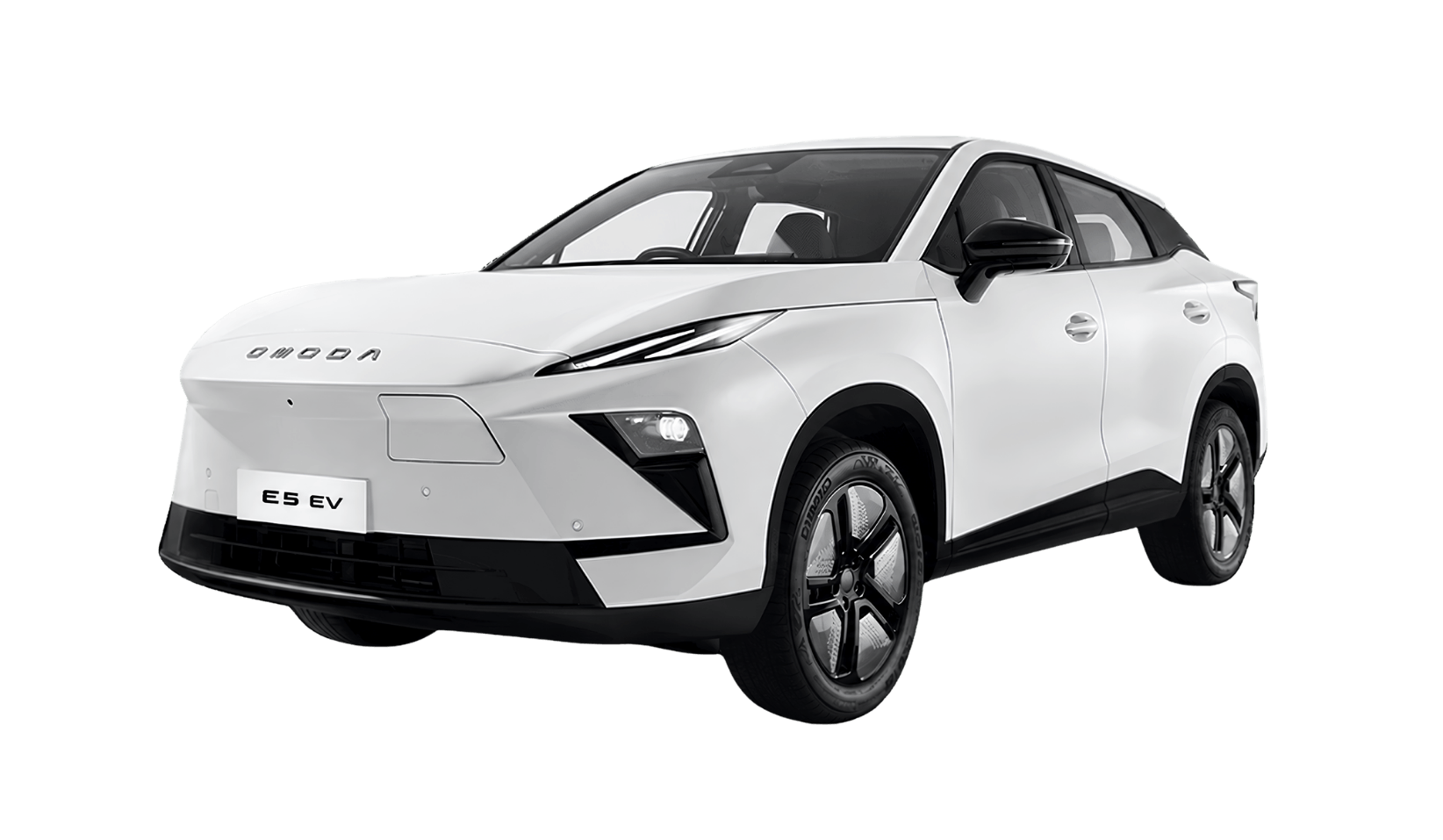
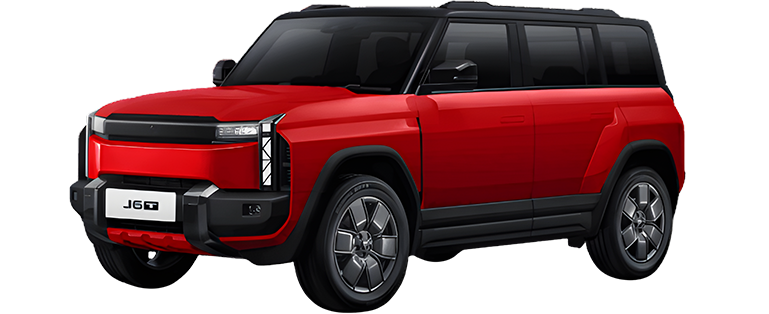
Omoda&Jaecoo has established charging stations across multiple locations in Nepal, supporting easier and more reliable EV charging nationwide.
While planning to install an EV charger, we should first ensure safety and optimal performance. For that, several steps must be taken when installing a home EV charger.
Your home's electrical system must be evaluated to ensure that it can support the additional load of an EV charger. Minor upgrades may be required in certain situations.
Choose a charger compatible with your vehicle and suitable for your daily usage. Portable and wall-mounted AC chargers are commonly used for residential setups in Nepal.
A licensed electrician should handle installation, including wiring, circuit protection, and earthing. Professional installation minimizes electrical risks and ensures compliance with safety standards.
Once installed, the system should be tested thoroughly to confirm proper operation before regular use.
Home charging costs depend on electricity tariffs and battery size. In general:
Over time, home charging contributes to substantial savings compared to fuel-powered vehicles.
To ensure safe and efficient home charging, EV owners should follow these best practices:
Maintaining good charging habits also helps extend battery lifespan and improves overall vehicle performance.
From the above information, we can conclude that charging an EV at home in Nepal is a reliable, cost-effective, and convenient solution for modern EV owners.
Choosing the right charger, ensuring professional installation, and following safety guidelines, you can enjoy seamless daily charging while maximizing the long-term value of your electric vehicle.
As EV adoption continues to rise in Nepal, a well-planned home charging setup is becoming an essential part of sustainable and efficient mobility.
If you are planning to buy an Omoda&Jaecoo, level 2 chargers will be the best to install at your home.
Contact us to know more about Omoda&Jaecoo.
Yes. This is known as Level 1 charging and uses a standard household socket. It is convenient but slow, making it suitable only for short daily driving needs.
Charging time depends on the charger type. Level 1 charging may take 20–40 hours, while a Level 2 home charger can fully charge most EVs within 4–10 hours.
No. Home charging is generally cost-effective and significantly cheaper than fuel, especially when charging during off-peak electricity hours.
Most homes can support EV charging, but a professional electrical assessment is recommended. Installing a dedicated circuit improves safety and performance.
Yes, when done correctly. Using proper equipment, avoiding extension cords, and hiring a licensed electrician for installation ensures safe and reliable charging.