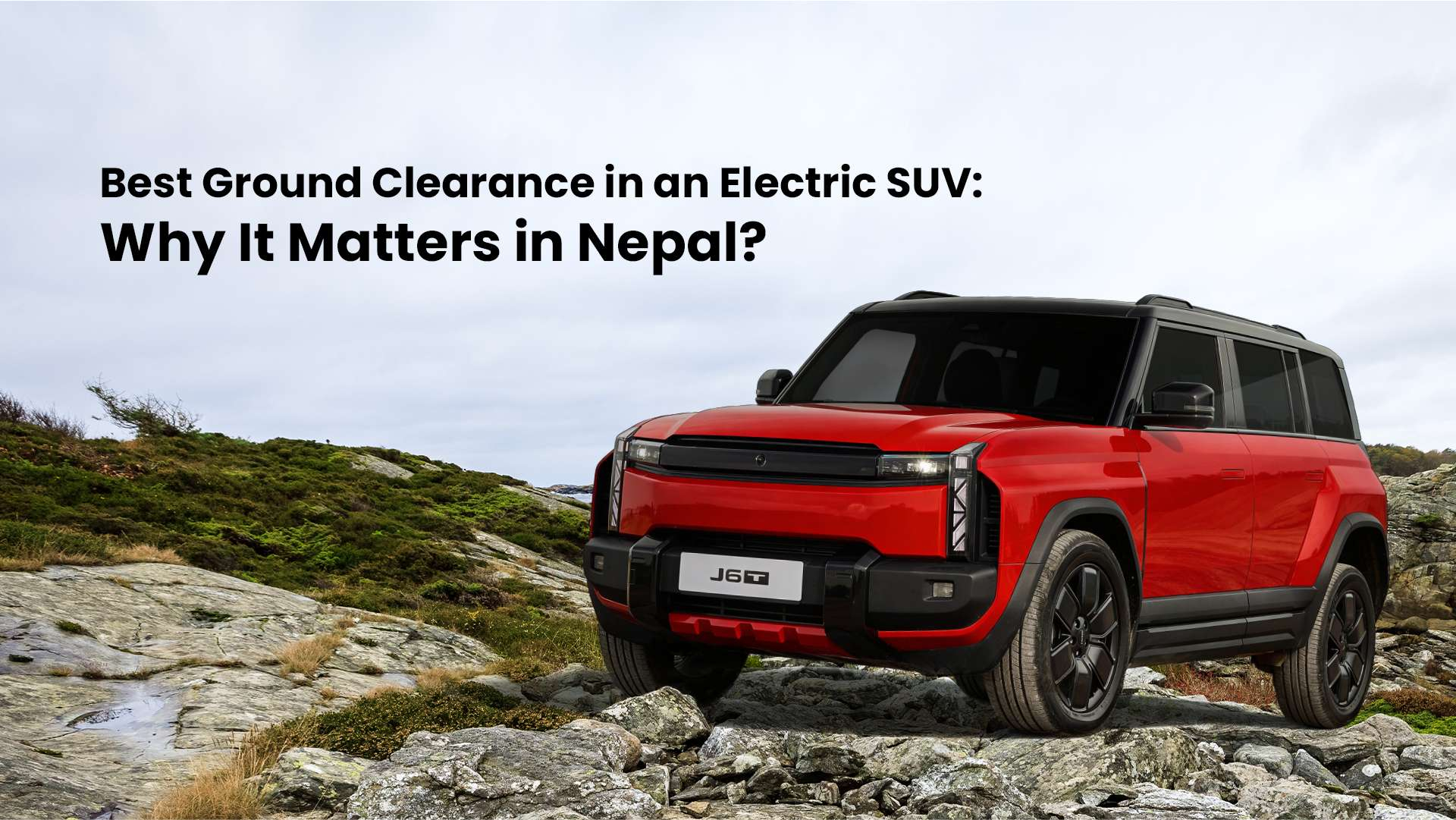
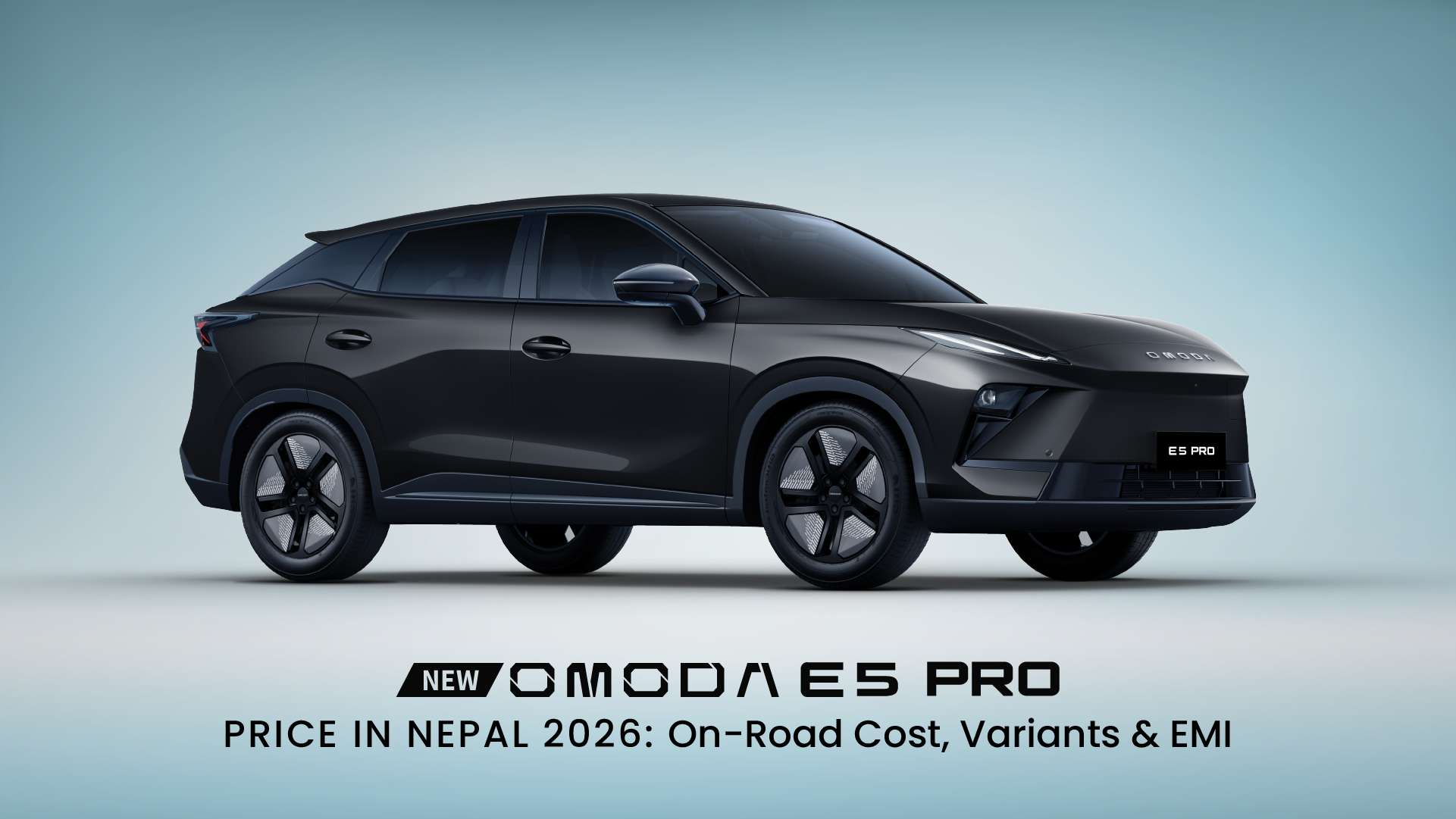
Best Ground Clearance in an Electric SUV: Why It Matters in Nepal?
August 12, 2026
Best Ground Clearance in an Electric SUV: Why It Matters in Nepal?
August 12, 2026
When it comes to the best ground clearance electric SUV in Nepal, it ultimately hinges on your driving preferences and environment.
Ground clearance is more than just a technical figure in Nepal. It impacts battery protection, comfort, confidence on speed breakers and handling of electric SUV on hill roads, potholes, rough roads and water-logged monsoon areas.
The battery pack is located low in the chassis of an EV, making ground clearance even more significant.
The ideal electric SUV should feature an appropriate ride height, robust underbody protection, capable suspension, advanced safety systems, and reliable warranty coverage.
That's why it's important for Nepali buyers to think beyond range and consider the overall driving experience.
We will discuss the importance of ground clearance, factors to consider when purchasing, and why the Omoda & Jaecoo EV series is designed for everyday driving in Nepal.
The roads in Nepal can be very different from one stretch to the next.
The path of a daily drive can contain smooth roads, tall speed bumps, rough edges, steep inclines and declines, potholes, and dirt paths.
In rainy seasons, traffic can also be blocked due to waterlogged roads and soil, that can lead to surface deterioration.
Thus, ground clearance of electric SUVs in Nepal is of paramount importance. It minimizes the risk of underbody damage, safeguards important EV components, and boosts confidence in the real world.
To most of the buyers in Nepal, ground clearance isn't just about style and SUV presence. It's about how practical the car is on an everyday basis.
The people who are looking for the best ground clearance in an EV in Nepal are genuinely seeking the EV that can maneuver well on Nepalese roads.
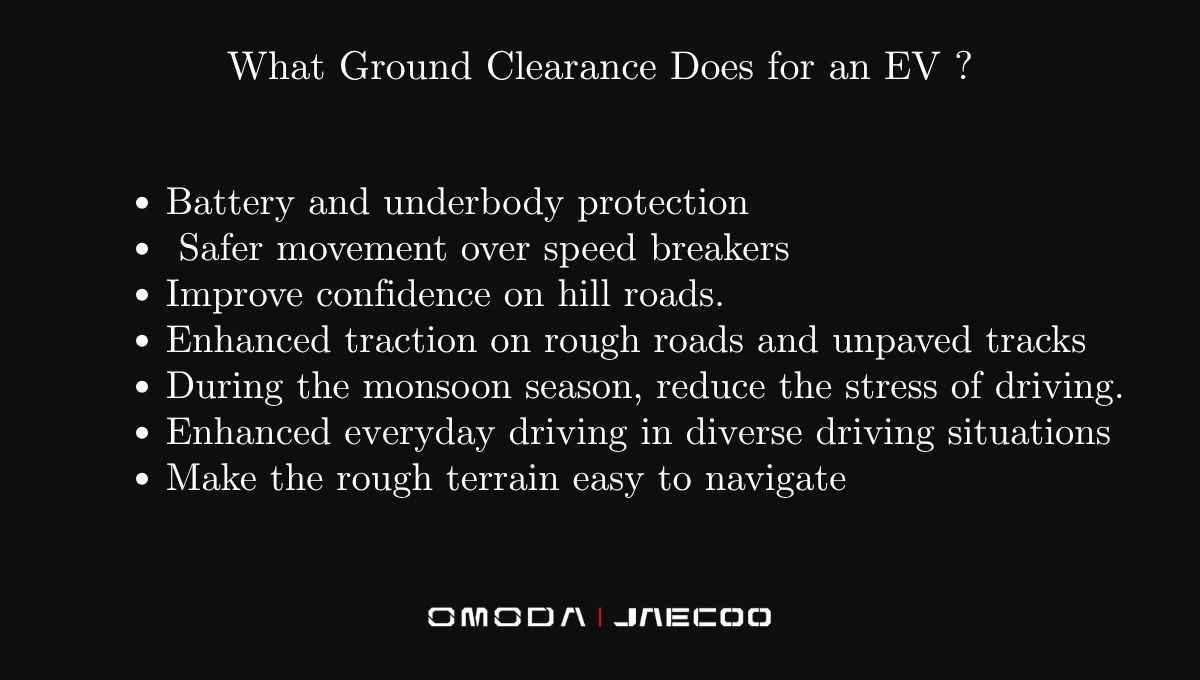
The battery pack is usually placed under the floor in most electric vehicles. This design makes for better stability, lowers the center of gravity, and provides more cabin space. For extra security over rough or uneven roads, however, many buyers do pay attention to the ground clearance, as the battery is buried beneath the vehicle.
This is the reason that protection underneath the vehicle is so crucial. Ideally, a good EV is not only going to have a very high clearance figure but also a design that inherently shields key components from impact, rough terrain, and debris.
In Nepal, that becomes especially relevant when driving across:
· Deep potholes
· Sharp road edges
· Broken rural surfaces
· Construction zones
· Hill road transitions
· Steep parking ramps
Premium electric SUVs should leave the customer with the assurance that the battery compartment and underbody have been engineered for local roads.
The initial consideration for many EV shoppers is range, but range isn't the whole story. The usability of roads is also critical for Nepal.
In Nepal there are many roads that have high or irregular speed breakers. When crossing them with passengers and/or luggage, the bottom of an SUV may scratch. When an SUV is too low, it may scuff when traveling over them.
Potholes may show up out of nowhere. They are more manageable with a properly ground-cleared and tuned vehicle.
There are a lot of steep gradients and changing road angles in Nepal. Clearance will minimize the risk of bottoming in on steep terrain.
All journeys do not take place on a smooth paved road. Rural roads, resort roads, and seasonal detours have become a way of life for everyday use. In these cases, it's more practical to have a higher-riding EV.
During monsoon season, waterlogged roads are common. Higher clearance and more engineering give greater reassurance, but drivers should never drive through standing water unless they are aware of the conditions.
This is why the best ground clearance in an electric SUV in Nepal should always be coupled with real-world conditions.

Ground clearance is essential, but it is not the end-all, be-all measure to consider.
Batteries are a crucial component in an EV. It is protected from road impact and long-term wear by strong underbody protection.
Wading depth is not equal to ground clearance. Ground clearance provides information about the distance between the ground and the vehicle. Wading depth indicates the amount of water that it will pass through under certain conditions. This is a useful specification for the Monsoon season in Nepal.
Even a high clearance off-road vehicle ought to remain comfortable and composed. The quality of the suspension affects the way that the car absorbs bumps, potholes, and rough roads.
Advanced Driver Assistant Systems (ADAS) can enhance safety and confidence during longer trips. Adaptive Cruise Control, Blind Spot Detection, Lane Departure Warning, Forward Collision Warning, Autonomous Emergency Braking, and Traffic Jam Assist are all technologies that can be useful.
A robust warranty can provide customers with enhanced confidence for long-term EV ownership. The battery and motors are as important as the vehicle's road stance.
For ownership support, you can visit our Extended Warranty page as well as our Service Request page.
There is no single perfect number for every driver. Ground clearance is dependent on route, driving style and road conditions.
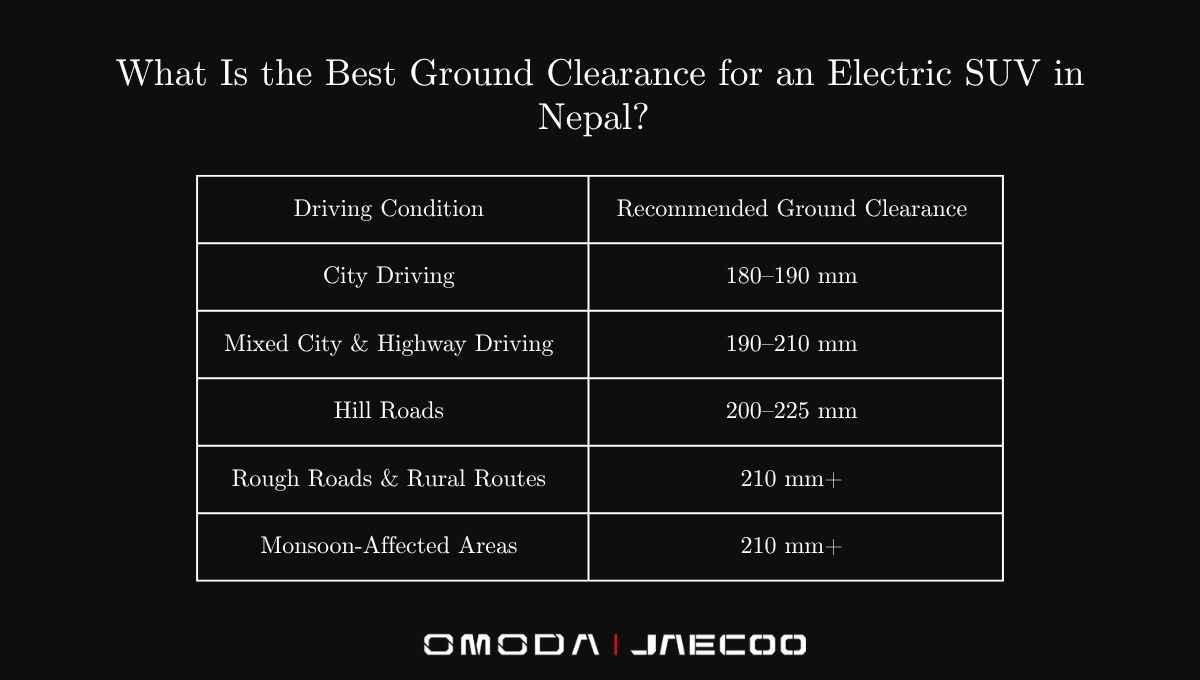
If used in a predominantly urban environment, an EV with a clearance of approximately 180–190 mm can be practical for speed breakers, parking ramps, and for street use in general.
Drivers who typically navigate between urban and highway environments might prefer widths ranging from 190 to 210 mm, as they achieve a good combination of comfort and usability.
210 mm and more can offer greater confidence and protection to drivers who are frequently on steep roads, damaged surfaces, rural tracks and monsoon affected areas.
This is why it is essential that buyers consider their actual driving conditions, rather than just the numbers being flashed in the showroom, when looking for the best ground clearance in an electric SUV in Nepal.
At Omoda Jaecoo Nepal, we provide electric SUVs with varying specifications and functionalities, catering to different driving requirements and road conditions in Nepal.
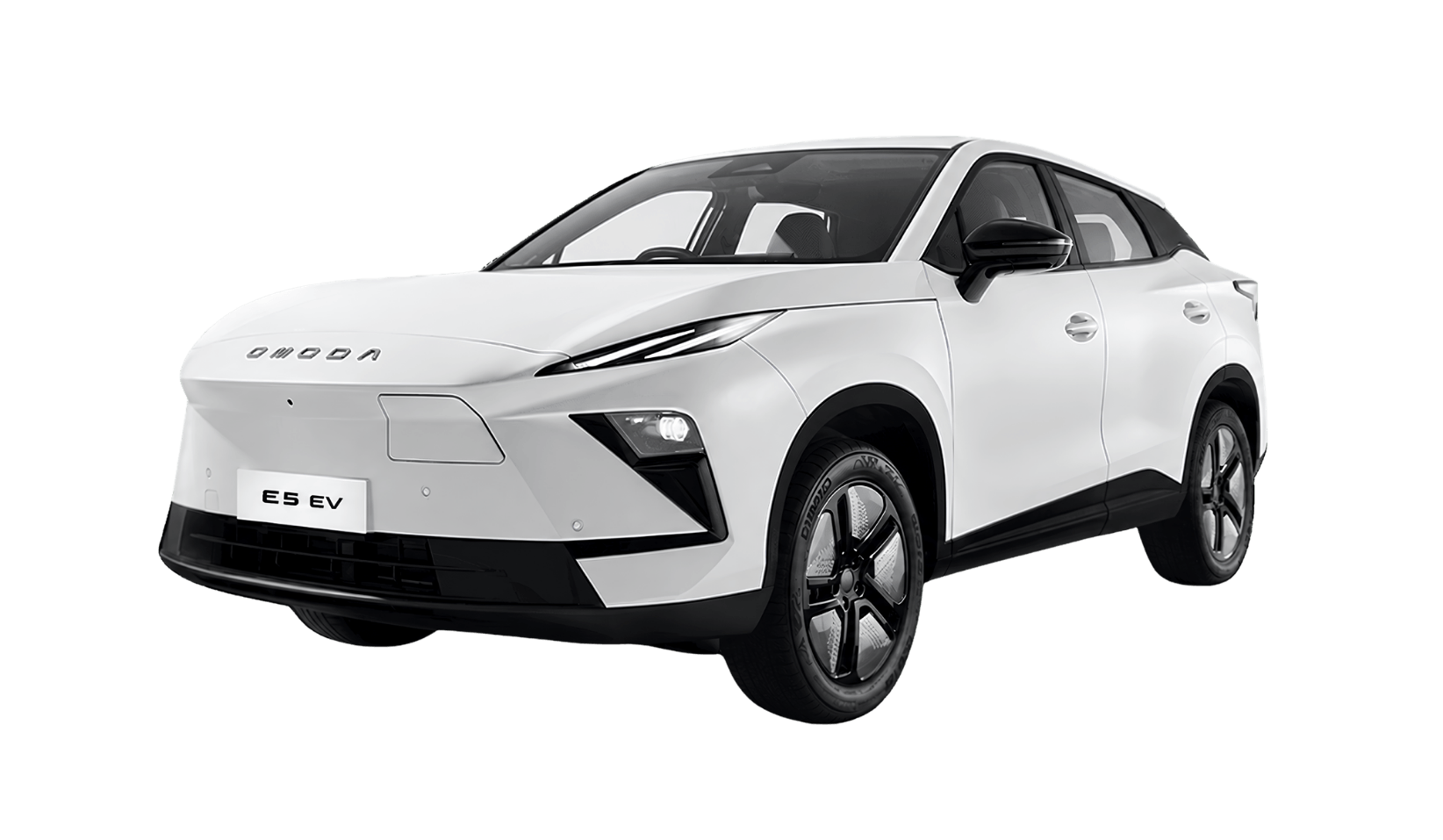
The Omoda E5 Pro has a ground clearance of 191 mm, and the official pricing page lists the standard version at NPR 51,59,000 and the dual tone version at NPR 51,99,000 with a first 50 customers discount of NPR 49,99,000.
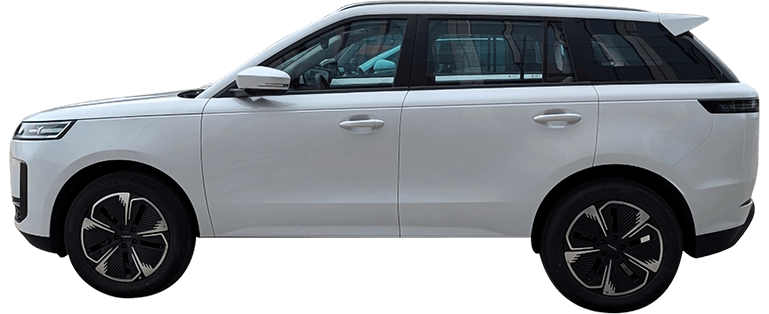
The Jaecoo J5 comes with 185 mm ground clearance and a range of 461 km. NPR 60,99,000 is the official price, as compared to the launch offer price of NPR 56,99,000.
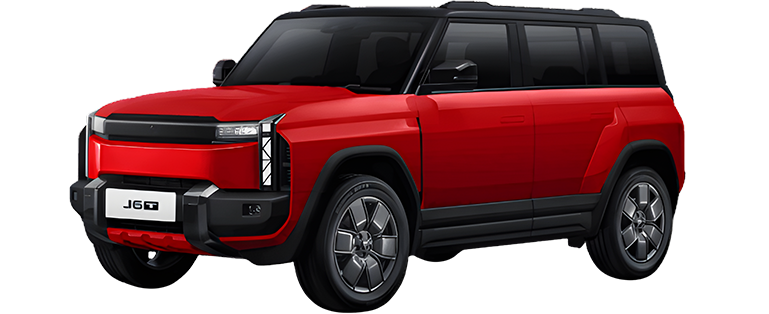
In the range, the most rugged model is the Jaecoo J6T, which offers 225 mm ground clearance, 625 mm wading depth, 135 kW motor power, 135 km/h (84 mph) speed, 9 intelligent driving modes, ADAS features including LDW, LDP, BSD, FCW, AEB, DAI, ACC, and TJA, and H-ARM multi-link rear suspension. Its official price is NPR 69,99,000.
After-sales support includes over 18 sales outlets and over 15 service centres across the country, service requests, authorised service and insurance continuity, genuine spare parts and home-charging support, plus an extended warranty programme.
These models provide a clear choice for the Nepali buyer in city driving, mixed road driving and on rougher surfaces, backed by good after-sales services for long-term ownership.
The purchase of an EV isn't all about the drive today. It's also the self-assurance you have gained throughout your years.
Omoda Jaecoo Nepal believes in the quality of its products and provides an extended warranty package of:
· 11 years / 240,000 km for the battery
· 11 years / 200,000 km for the motor
This extended warranty strengthens EV reliability and durability. This is one more factor that gives buyers the confidence to buy a quality EV in Nepal.
For more information on coverage details, check out our Extended Warranty page.
Good ground clearance in an electric car in Nepal doesn't just mean a lot of clearance. It is clearance that is suitable for your day-to-day driving experience.
Comfort and handling might be the most important factors for users who are more likely to be in urban settings. The more a driver drives on hills or rough roads, the more critical the additional clearance and underbody protection are. Wading depth and engineering quality also are important for the monsoon conditions.
The best EV is the one that gives you the right balance of:
· Ground clearance
· Battery protection
· Suspension quality
· Wading depth
· Range
· Safety features
· Warranty coverage
· Charging convenience
That's how you select from a range of electric SUVs that will not just be on paper, but in the road too in Nepal.
When you're searching for the best ground clearance in an electric SUV in Nepal, the answer depends on your driving environment. Nepal's roads require more than just a great spec sheet. They need ease of use, proper battery protection, suspension of comfort, and the sense of being able to handle speed bumpers, potholes, hill roads, dirt trails or monsoon water logging.
We design our electric SUVs with those conditions at Omoda Jaecoo Nepal. Regardless of which EV you choose, Omoda E5 Pro, Jaecoo J5, or Jaecoo J6T, you're in for an EV that's designed for high comfort and practical road use.
You can learn more on our Home page, discover your nearest Dealer, or reach out to us on our Charging Stations and Service Request pages.
Ground clearance safeguards the EV battery and underbody against potholes, speed bumpers, rough roads and uneven terrain.
Most drivers find the range from 185 mm to 225 mm depending on their driving style (mostly urban, mixed or rough roads).
For city drivers or those who travel on a mix of roads in Nepal, 191 mm can certainly be useful, particularly combined with a sturdy suspension system and a robust underbody protection.
Ground clearance is the distance between the bottom of the vehicle and the ground. The wading depth is the depth that the vehicle can go through when it is placed under certain conditions.
The Jaecoo J6T offers the highest ground clearance in our lineup at 225 mm, along with 625 mm wading depth.
Yes. We offer 11 years / 240,000 km for the battery and 11 years / 200,000 km for the motor.
Battery protection, suspension performance, wading height, ADAS, range, charging options, serviceability, and warranty are also important factors to consider.
Yes. Higher ground clearance may minimize the risk of under-body contact with obstacles and therefore help to safeguard the battery pack, which is usually mounted on the floor, on rough roads.
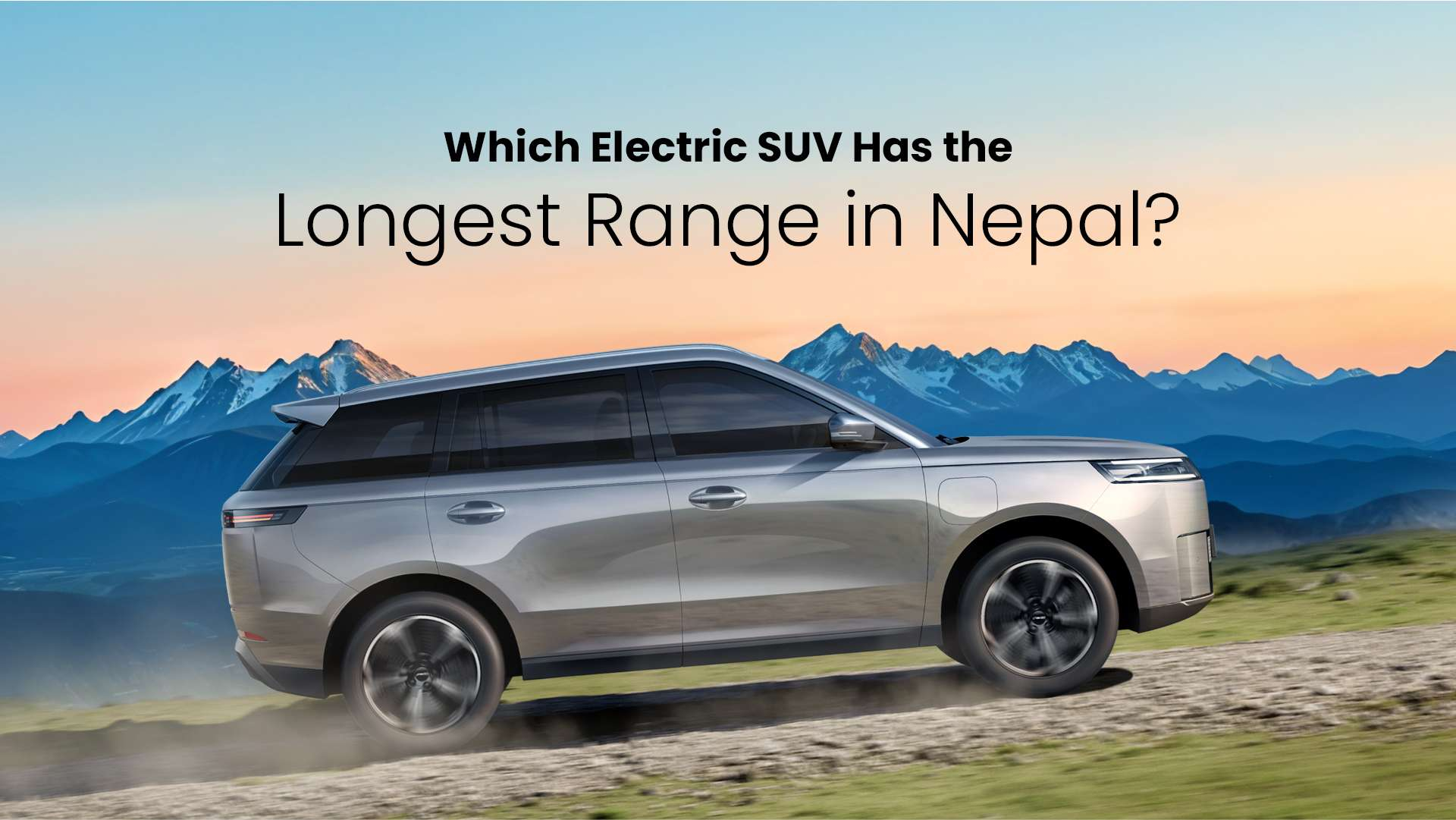
Which Electric SUV Has the Longest Range in Nepal?
August 12, 2026
Which Electric SUV Has the Longest Range in Nepal?
August 12, 2026
When looking into the longest-range electric SUVs in Nepal, you've likely asked the most significant question about EVs first: how far will it go in real-world use?
Range is one of the most important factors when choosing an electric SUV in Nepal. It influences your daily commute, weekend getaways, hill drives, charging confidence, and overall ownership experience.
A buyer in Kathmandu is not concerned about EV range as much as a buyer in Pokhara, Chitwan, Butwal or Biratnagar is concerned. Road quality, inclines and declines, weather, and charging availability are all factors.
That's the reason why many of the electric SUV buyers in Nepal pay attention to more than the advertised numbers. Buyers should look for the right EV SUV Nepal that offers a blend of range, safety, charging infrastructure, and practicality in real-world scenarios.
At Omoda JAECOO Nepal, our premium electric SUV lineup offers a range of options tailored to different driving needs, allowing you to choose the model that best fits your lifestyle while enjoying advanced technology, reliable performance, and long-term ownership confidence
Here's a quick overview of the latest driving range figures for our electric SUV lineup in Nepal, making it easier to compare each model to your driving needs and lifestyle.
· JAECOO J5: Up to 461 km driving range
· JAECOO J6T: Up to 431 km driving range
· OMODA E5: Up to 350 km WLTP driving range
· OMODA E5 Pro: Up to 350 km WLTP driving range
These are the figures that are important to consider when you are considering the best long range electric SUV in Nepal. An important point to note is that not all figures are using the same test cycle.
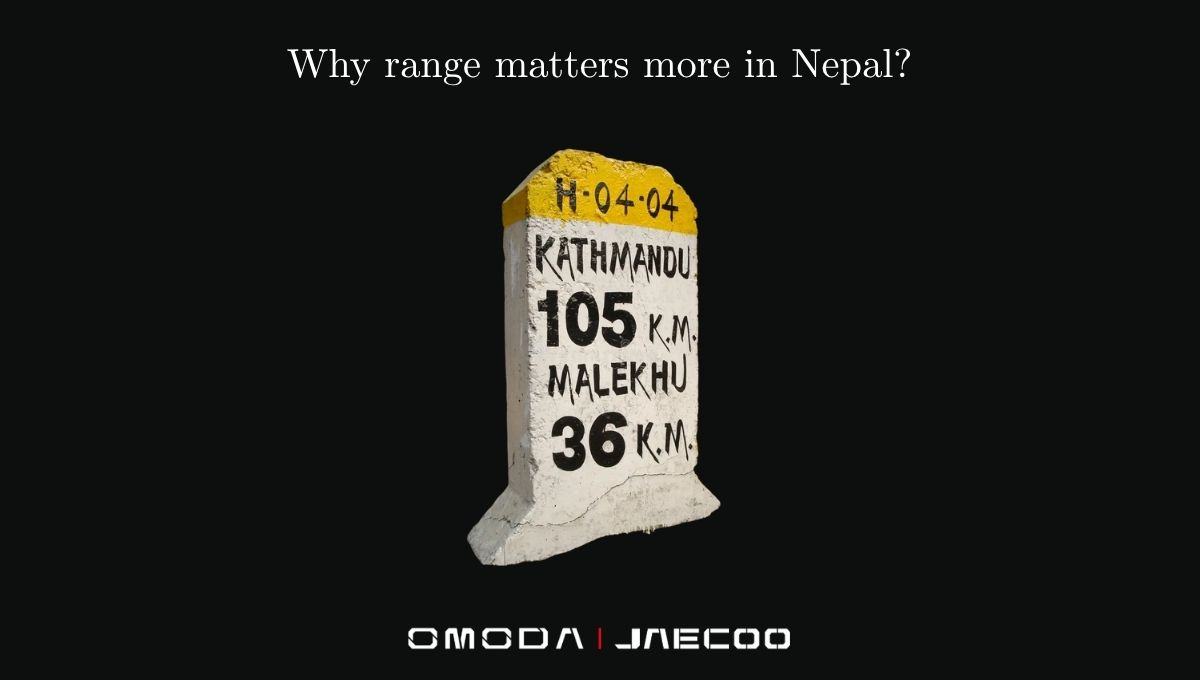
The ownership of EVs in Nepal is challenging. Nepali drivers face a number of challenges in addition to steep, uneven mountain roads, high levels of urban congestion, changing weather and long journeys between major cities, particularly as there is a lack of charging infrastructure compared to countries that have highways and charging stations.
Range anxiety is still a concern for many first-time EV buyers. But the rise in battery technology, fast charging stations and the growing network of charging stations has made it much easier to travel long distances with EVs than a few years ago.
The actual performance of an EV is tested on various road and terrain conditions from the Terai to Kathmandu, and then from Kathmandu to Pokhara.
All of these can play a significant part in overall driving confidence, charging needs, and efficiency.
When looking at the electric SUV price in Nepal, range is not the only factor to consider.
The ease of charging, battery technology, ownership costs, after-sales support, and long-term reliability are all important factors to consider.
A cheaper EV might seem like a good investment in the beginning, but a long-range EV Nepal driver can rely on will be more useful in the long run.
That's why range continues to be a vital consideration for electric vehicle battery customers.
When it comes to finding out "Which electric SUV has the longest range in Nepal?" Users don't just want a specification sheet.
They are looking for a driver who offers them peace of mind about getting to Pokhara for the weekend, commuting to Kathmandu every day, or traveling throughout Nepal with minimal charging requirements and no “range anxiety.”
At the end of the day, the best electric SUV in Nepal is not simply the one with the biggest range figure. It is the one that delivers dependable real-world performance, convenient charging, and the confidence to handle daily commutes, family trips, and long-distance travel across Nepal.
There are several factors to a strong EV range.
The size of the battery is important because it dictates the amount of energy that can be stored in the vehicle.
The larger the battery, the further it goes, but that isn't always the case. Weight, motor tuning, aerodynamics, and efficiency are also significant.
Chemistry of batteries plays a significant role in an extended lifespan.
Our OMODA and JAECOO electric SUVs are equipped with advanced LFP battery technology, including CATL LFP battery packs on select models, delivering reliable performance, enhanced safety, and long-term durability for EV ownership in Nepal.
An energy efficient motor can go further on the same battery.
This is why there is a variation in real-world performance between two SUVs with the same battery size.
Ground clearance is important in Nepal than in other EV markets.
An EV's ability to function is reduced if it hits speed bumps or rough roads.
A higher ground clearance helps an electric SUV navigate rough roads, steep inclines, speed bumps, and uneven terrain more comfortably and confidently.
A long-range EV is only as practical as its charging experience.
Even the most capable electric SUV can become inconvenient if charging is slow or difficult to access.
That's why buyers should look for features such as fast charging and home charging solutions, which make everyday ownership more convenient and long-distance travel far more manageable.
If you're looking for the longest driving range in our current premium lineup, the JAECOO J5 stands out with an impressive WLTP-rated range, making it an excellent choice for drivers who prioritize longer journeys with fewer charging stops.
The J5's present specifications include a 461 km driving range, 58.9 kWh CATL LFP battery, 155 kW motor output, 288 Nm torque, and 185 mm of ground clearance. It is also marketed as a high-end family car and has a convenient boot, as well as a good user-friendly driving environment for Nepal's streets.
The JAECOO J5 is a rather good compromise for those who are aiming for the longest-range electric SUV in Nepal but don't want to get into a whole new class of car. It offers a combination of range, an upscale appearance, SUV dimensions, and an appropriate battery system for local use.
If you're looking for a range and usability combo for your EV purchase in Nepal, then it's the OMODA E5 Pro.
It's the current WLTP range, which is 350 km, and that's important because WLTP is a more appropriate standard to compare with rather than previous ones like NEDC.
The E5 Pro also has 191 mm ground clearance, 288 Nm motor power, 99 kW of torque and a full suite of ADAS capabilities on offer.
Advanced ADAS systems like adaptive cruise control, lane keeping assistance, and blind spot monitoring enhance safety and stress-free travel during long journeys.
In the real world, range is not the only factor buyers are interested in. They are also looking for adaptive cruise, lane support, blind-spot protection and camera technology to make the narrow roads in Nepal a little easier to handle. The E5 Pro's premium EV experience is now at a more affordable price.
Overall, the OMODA E5 Pro is a well-rounded electric SUV that is ideal for families who want to drive on the streets of Nepal. It offers plenty of driving space for the daily grind and many long-distance trips and is comfortable, safe and easy to own.
The same reason makes the OMODA E5 stay in the discussion as it has up to 350 km WLTP range in the current content in Nepal.
It falls within the range of discussion when buyers compare the best long range electric SUV in Nepal.
It is not just another EV option. This isn't just another choice of EV. It's one of the most impressive range of numbers in the Omoda lineup, and it's still a great option for anyone looking for a more expensive electric SUV that offers a significant range boost.
An important consideration is the test cycle difference. It is important to note that older launch materials have also mentioned NEDC results, so it is best to consider WLTP when comparing EVs for real-world purchase decisions.
The JAECOO J6T is designed for those seeking range and a more rugged SUV ride.
It has a range of 431 km, a battery capacity of 65.69 kWh, 135 kW motor power, and 225 mm ground clearance. The J6T is also featured with fast charging capability and an appearance more to the liking of those looking for a more rugged road confidence package.
For those who drive outside the city frequently, or just prefer the added ground clearance, this is a significant factor. That can be as significant as the range number in a market such as Nepal.
When you're not just looking for the longest-range electric SUV in Nepal, but also road strength and adventure styling, the J6T is a very tempting choice.
If long-range EVs are to become reality, it's all about charging.
Choosing OMODA or JAECOO means more than buying an electric SUV. It means choosing a brand that supports you throughout your ownership journey. They are purchasing a charging infrastructure with charging stations, home charging tips, dealership assistance and service coverage
As the authorized distributor of OMODA and JAECOO in Nepal, we're committed to giving you reliable after-sales support, warranty coverage, and peace of mind throughout your ownership journey.
It's not only one range figure which makes these models stand out. It's because there are various options available for various types of buyers.
For the very longest-range electric SUV available in Nepal in the main Premium range, the JAECOO J5 is the obvious choice.
The OMODA E5 Pro is a good option for anyone seeking a combination of range, roadability, and affordability.
For anyone seeking a more potent number and a higher-priced SUV image, the OMODA E5 is a strong potential competitor.
The JAECOO J6T is a good option for those who prefer a more rugged look and a slightly elevated ride height.
When choosing, it is important for buyers to compare:
· Range figure and test cycle
· Battery type
· Ground clearance
· Fast-charging support
· Service and charging support
· Price and ownership value
These are the questions that are meaningful in the world. The apparent range of a car on paper can be quite misleading if it does not have the road clearance or support needed. It might be better to get a slightly shorter-range car that has good charging, safety and practical features.
So, if you want to know which is the longest-range electric SUV in Nepal, the answer will vary based on the definition of the line-up.
The JAECOO J5 offers the best answer in the main premium comparison with the 461 km driving range.
So, the OMODA E5 Pro represents a well-rounded premium offering of 350 km WLTP range. The OMODA E5 is a solid 350 km WLTP runner, and the JAECOO J6T has 431 km and a harder-to-please SUV appearance and high ground clearance.
The real winner to the buyers from Nepal is not only the model with the highest number. It's the one that provides the range, safety, charging capabilities, and confidence to last through Nepal's day-to-day environment.
From premium electric SUVs to capable adventure-ready models and practical everyday vehicles, OMODA and JAECOO offer a range of options designed to suit different lifestyles and driving needs in Nepal.
Ready to go electric? Explore our SUV lineup and book a test drive today.
The JAECOO J5 currently has a claimed driving range of 461 km, which is the longest range of the main line of electric SUVs from Omoda JAECOO Nepal.
The JAECOO J5 currently shows a 461 km driving range.
The JAECOO J6T currently shows a 431 km range.
The OMODA E5 Pro currently shows a 350 km WLTP range.
The OMODA E5 currently shows up to 30 km WLTP range.
Yes. WLTP is a safer and more relevant comparison figure for buyers, as it is easy to compare across vehicles compared to the pre-WLTP NEDC-based claims.
Yes. These offer range, ground clearance, charging support, warranty protection and are available locally through SPG Automobiles, making them viable premium EV options in Nepal.
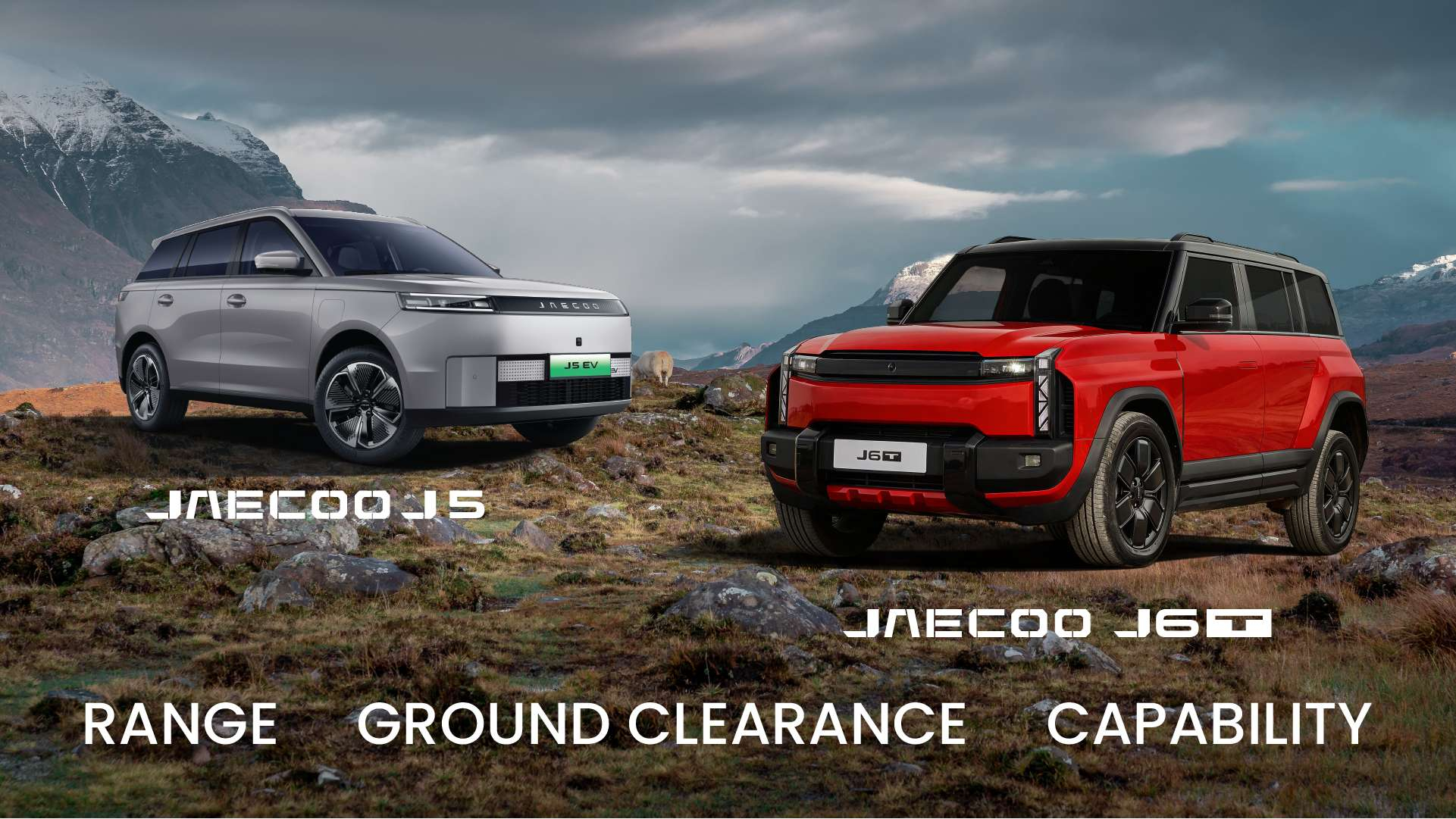
Jaecoo J5 & J6T Specifications: Range, Ground Clearance & Capability
August 12, 2026
Jaecoo J5 & J6T Specifications: Range, Ground Clearance & Capability
August 12, 2026
The EV market has grown quickly in Nepal. Consumers are no longer planning to buy an EV just for the price or range.
Ground clearance, terrain capability, battery technology, charging ease, safety features, and long-term costs are all significant factors today in the decision-making process.
So, knowing the standard specification for Jaecoo J5 and J6T is crucial before buying in Nepal.
The Jaecoo J5 and Jaecoo J6T are two high-end electric vehicles that cater to various driving requirements. They both feature CATL LFP battery technology, but they both have country-wide charging support, a very comprehensive service network and an 11-year extended warranty, but they serve different lifestyles.
The Jaecoo J5 is aimed at the driver who wants maximum efficiency, range and everyday use.
The Jaecoo J6T is designed for those who are looking for increased ground clearance, better terrain performance and an adventurous electric SUV experience.
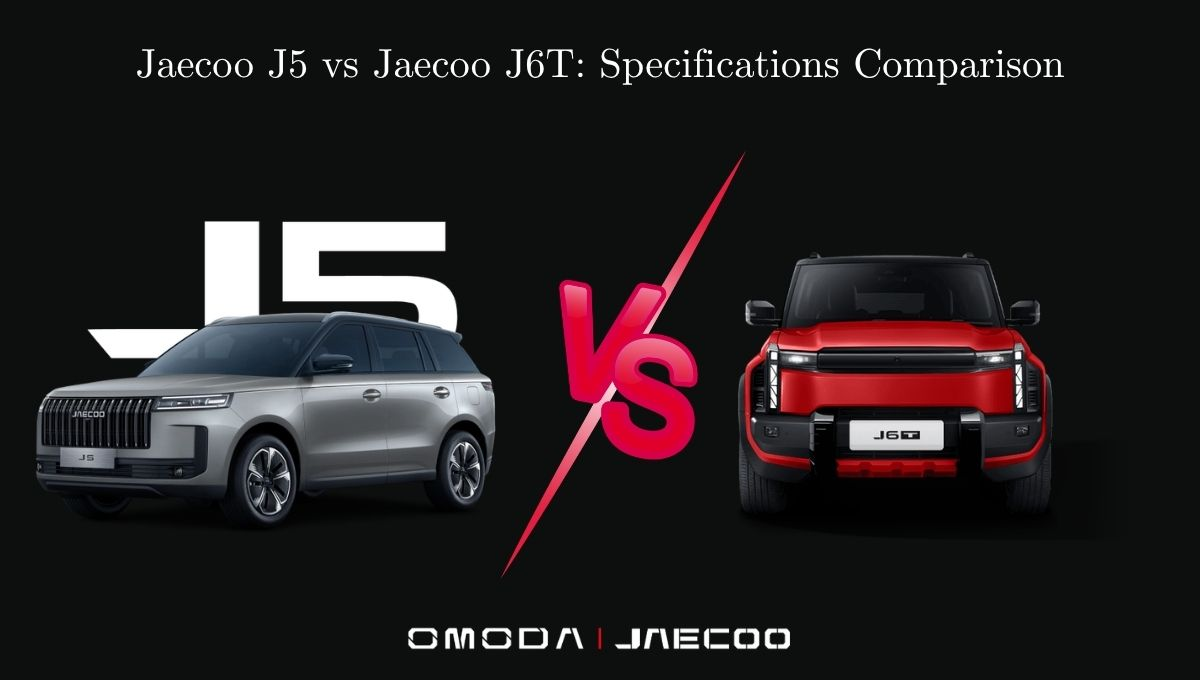
The detailed specifications comparison between Jaecoo J5 and J6T is available in Nepal to help the consumers decide which of the two models would best fit their driving requirements, road conditions, and lifestyle.
|
Specification |
Jaecoo J5 |
Jaecoo J6T |
|
Price in Nepal |
NRS 56,99,000 |
NRS 69,99,000 |
|
Dimensions (L × W × H) |
4380 × 1860 × 1650 mm |
4433 × 1916 × 1741 mm |
|
Wheelbase |
2620 mm |
2715 mm |
|
Ground Clearance |
185 mm |
225 mm |
|
Wading Depth |
450 mm |
625 mm |
|
Wheels |
18-inch alloy wheels |
19-inch alloy wheels |
|
Tyres |
235/55 R18 |
245/55 R19 |
|
Battery |
CATL LFP 58.9 kWh |
CATL LFP 65.69 kWh |
|
Motor Output |
155 kW |
135 kW |
|
Torque |
288 Nm |
220 Nm |
|
Drive Type |
FWD |
RWD |
|
Driving Range |
461 km |
431 km |
|
Wading Capability |
450 mm |
625 mm |
|
Safety Features |
19 ADAS Features |
Advanced Safety Suite with ADAS |
|
Special Features |
Hill Descent Control, 540° Panoramic View, 1.45 m² Panoramic Canopy |
5+ Driving Modes, 55% Slope Capability, Aluminum Body Structure |
|
Charging |
DC Fast Charging Supported |
130 kW DC Fast Charging (10–80% in approx. 28 min) |
|
Warranty |
11-Year Extended Warranty |
11-Year Extended Warranty |
|
Charging Support |
Nationwide Charging Network |
Nationwide Charging Network |
The two Jaecoo specifications in Nepal are the J5 and the J6T. The J5 is designed for efficiency and range, the J6T for capability and ruggedness.
The Jaecoo J5 is a contemporary electric vehicle that fits the needs of the buyer seeking a luxury driving experience without compromising functionality.
The Jaecoo J5 price in Nepal is NRS 56,99,000.
The J5 is 4380 mm long, 1860 mm wide and 1650 mm tall, offering fantastic urban agility and SUV presence. The 2620 mm wheelbase is engineered to optimize interior comfort, and drive highway stability.
The most significant feature in the range of discussions about Jaecoo J5 and J6T specs is the impressive range of the J5.
It has a CATL LFP 58.9 kWh battery and 155 kW electric motor. This configuration provides the claimed range of up to 461 km which is one of the best range figures in the segment.
One of the major benefits of the Jaecoo J5 range in Nepal is its convenience for daily commuters and frequent travelers.
The 461 km range offers plenty of flexibility when commuting in Kathmandu Valley, traveling between Pokhara and Chitwan or between Butwal and Bhairahawa.
The Jaecoo J5 has a ground clearance of 185 mm.
This clearance is well suited for:
· Urban roads
· Speed breakers
· Uneven rural sections
· Parking ramps
· Seasonal road damage
Furthermore, the vehicle has a 450 mm wading depth, adding an extra layer of assurance during Nepal's monsoon season.
The J5 includes:
· 19+ ADAS features
· Adaptive Cruise Control
· Lane Departure Warning
· Lane Keep Assistance
· Automatic Emergency Braking
· Hill Descent Control
· 540° panoramic view system
· 1.45 m² panoramic canopy
If you're looking to compare the specifications of Jaecoo J5 and J6T in Nepal, the J5 is pitched as a high-tech, high-specification electric SUV.
The Jaecoo J6T was built for those who want something more than a city SUV.
It's designed with toughness in mind for drivers who regularly hit grade, mountain roads, gravel and rough terrain in Nepal.
The J6T is larger than the J5 with a 4433 mm × 1916 mm × 1741 mm position.
The Jaecoo J6T price in Nepal is NRS 69,99,000.
The main differences between the Jaecoo J5 and J6T specifications in Nepal lie in its higher ground clearance, its off-road capabilities, and the different configurations.
The Jaecoo J6T range in Nepal is 431 km.
It is slightly lower than the J5, but still very competitive for a vehicle that was built to be more of a vehicle for off-road driving.
Most Nepalese people would find 431km to be a long distance enough for them to cover their daily journeys and intercity travel.
The ground clearance of the Jaecoo J6T is quite remarkable, at 225 mm.
This is one of the most powerful benefits of the vehicle and greatly contributes to:
· Off-road capability
· Rough-road confidence
· Approach and departure angles
· Flood resilience
· Mountain-road usability
The added 625 mm of wading depth only adds to the J6T's off-road credentials, making it a reliable choice for Nepal's off-road enthusiasts.
The J6T has features geared towards difficult conditions:
· Rear-Wheel Drive (RWD)
· Bold One Box Design
· Several modes for driving on snow, mud, and sand.
· 55% slope-climbing capability
· Aluminum body structure
· Enhanced off-road geometry
The J6T is one of the most fascinating packs of capabilities for an EV in the premium segment in Nepal, if adventure is the motive.
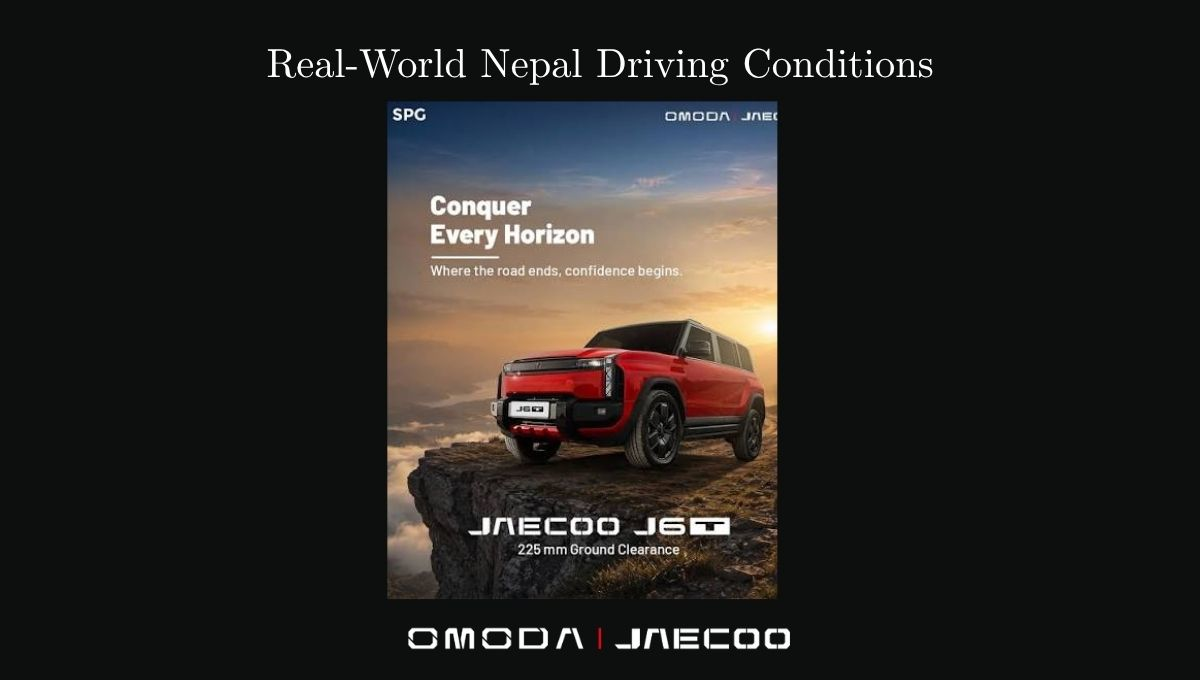
The most effective way to test the Jaecoo J5 and J6T specifications in Nepal is to consider where and how you drive.
The J5 is ideal for city commuting, office travel, and family use.
Its:
· Longer range
· More compact dimensions
· Easier maneuverability
· Lower purchase price
Make it very appealing to the customers in Kathmandu.
Both SUVs are comfortable to drive in Pokhara.
The J5 is a top choice for city and highway use, and the J6T looks especially appealing to those who are interested in going on hill drives and adventure trips.
The J5 could be an efficient, long-range option for drivers in flatter areas.
The higher ground clearance and improved terrain capabilities of the J6T can provide drivers with added confidence when navigating rough roads. The J6T's improved ground clearance and terrain handling capabilities offer drivers more confidence on uneven surfaces.
Heavy rainfall can be a problem with water-logged roads.
In Nepal, this is where the differences of the Jaecoo J5 and J6T specs make a huge difference:
The minimum depth of wading is 450 mm for J5.
The wading depth is 625mm (J6T).
For purchasers who often encounter challenging weather conditions, the J6T will surely be a definite benefit.
There's a stark choice at the end of the day when many buyers in Nepal are comparing the specifications of the Jaecoo J5 and J6T.
· Maximum driving range
· Lower purchase price
· Premium comfort
· Urban practicality
· Daily commuting efficiency
· Higher ground clearance
· Greater terrain capability
· Stronger off-road confidence
· Better wading capability
· More rugged SUV styling
There is no right or wrong answer. It is all about your lifestyle and driving environment to determine the better SUV.
Whichever model you choose, you'll be supported by the growing Omoda Jaecoo Nepal ownership ecosystem. As the authorized sole distributor of Omoda and JAECOO vehicles in Nepal, SPG Automobiles Pvt. Ltd. provides nationwide after-sales service, genuine parts, charging support, and long-term ownership assistance.
This makes both models strong contenders in the Jaecoo EV Nepal lineup.
Owners of keys will receive the following advantages:
· CATL LFP battery technology
· Nationwide charging support
· Authorized service centers
· The availability of genuine spares.
· 11-year extended warranty
· Professional after-sales support
These factors help to boost the confidence of the EV owners in the long run and alleviate concerns about EV adoption in Nepal.
Explore our Jaecoo J5 model and Jaecoo J6T model pages, along with pricing information and comparison guides, to discover the electric SUV that's right for you and your driving habits.
Visit our Kathmandu showroom at Uttardhoka, Behind Palace, Kathmandu 44600, or call 980-1143672. Book a test drive to experience the Jaecoo J5 and J6T in person.
Tie up with authorized dealers and partner banks about EMI and financing options and get a solution that works for you.
Enjoy vehicle registration, delivery coordination and home charger installation with support from the dealer network as part of your purchase.
Through ownership, you can access the maintenance and repair service from our network of authorized service providers along with assistance for software updates, charging, genuine spare parts, and warranty claims.
The premium EV base of both Jaecoo J5 and J6T reveals that the two SUVs are meant to perform different roles in Nepal.
The Jaecoo J5 is the perfect value to those who want range, efficiency, comfort and everyday convenience. Its range of 461 km, advanced ADAS features and value-for-money price makes it one of the most promising premium EVs available in Nepal.
For those who want more in their car, the Jaecoo J6T is created. With a 225 mm ground clearance, 625 mm wading depth, 5+driving modes, and robust design, it's well-suited for rough terrain and thrilling experiences.
Whether you need a city-friendly EV or an off-road electric SUV in Nepal, Jaecoo offers a solution for both lifestyles.
Both the JAECOO J5 and JAECOO J6T reflect our commitment to delivering premium electric SUVs with advanced technology, exceptional performance, and a trusted ownership experience for drivers across Nepal.
So, hurry up and book your test drive today .
The J5 is designed for range, efficiency and practicality in the city, whereas the J6T has a focus on ground clearance, off-road ability, and rugged design.
The Jaecoo J5 price in Nepal is NRS 56,99,000.
The Jaecoo J6T price in Nepal is NRS 69,99,000.
In Nepal, the Jaecoo J5 range is as high as 461 km.
The Jaecoo J6T range in Nepal is up to 431 km.
The Jaecoo J5 ground clearance is 185 mm.
The Jaecoo J6T ground clearance is 225 mm.
The J6T features higher ground clearance, 625 mm wading depth, a RWD model, and driving modes oriented toward the terrain, making it more suitable for rough road conditions.
Yes. Both models come with a nationwide charging infrastructure, recognized service centers, spares availability, and 11-year extended warranty.
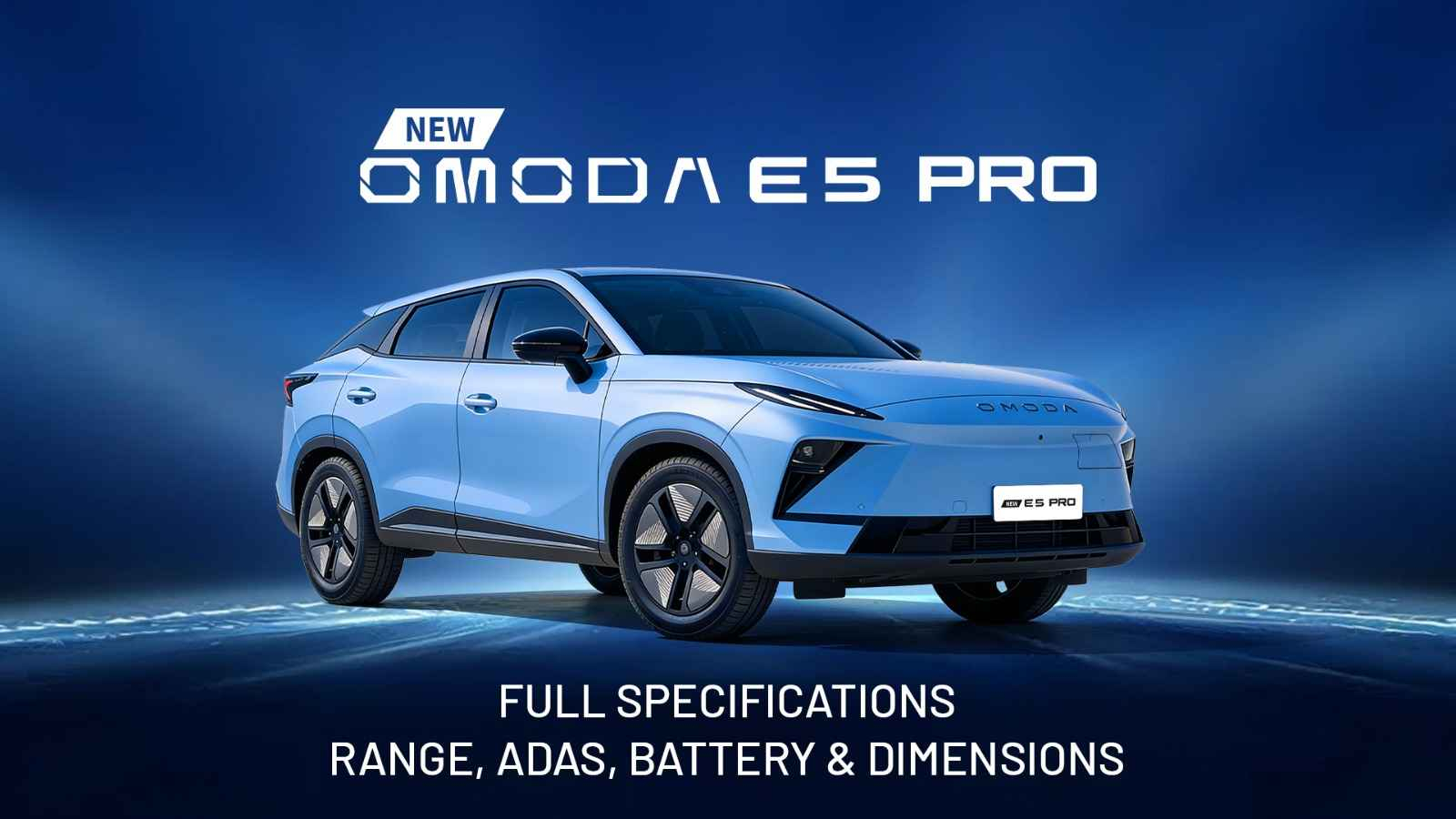
Omoda E5 Pro Full Specifications: Range, ADAS, Battery & Dimensions
August 12, 2026
Omoda E5 Pro Full Specifications: Range, ADAS, Battery & Dimensions
August 12, 2026
Once buyers in Nepal begin to consider EVs, they're typically seeking more than just a price tag.
They want to experience a range they can believe in, feel safe without stress in traffic, charge without stress, and feel supported for ownership without leaving the showroom.
The Omoda E5 Pro addresses all these priorities with a 50.7 kWh LFP battery, 350 km WLTP range, a 99-kW motor, 288 Nm of torque, 19+ ADAS systems, and 191 mm of ground clearance.
This model stands out because of its combination of luxury aesthetics and user-friendly features for EVs.
This is not only for buyers in Kathmandu, but also for those crossing Pokhara, Chitwan, Butwal, Biratnagar and Dharan who are seeking a car that seems modern, safe, and comfortable.
The OMODA E5 Pro is a premium electric SUV that combines a futuristic design, a technology-rich cabin, advanced driver-assist features, and practical charging solutions to deliver a seamless EV ownership experience for drivers in Nepal.
This guide brings together everything you need to know about the OMODA E5 Pro, including its official price, key features, charging options, and EV ownership insights to help you make an informed buying decision in Nepal.
To explore the OMODA E5 Pro in detail, start with our official Nepal brochure, where you'll find its complete specifications, features, and technical information. It highlights the main specifications of the powertrain, size, charging, and safety.
|
Specification |
Omoda E5 Pro |
|
Battery Capacity |
50.7 kWh LFP |
|
Motor Output |
99 kW |
|
Maximum Torque |
288 Nm |
|
Drive Type |
Front-wheel drive |
|
WLTP Range |
350 km |
|
0–100 km/h |
7.2 seconds |
|
Top Speed |
171 km/h |
|
Ground Clearance |
191 mm |
|
Length |
4,545 mm |
|
Width |
1,830 mm |
|
Height |
1,588 mm |
|
Wheelbase |
2,630 mm |
|
Boot Capacity |
442 liters |
|
AC Charging |
6.6 kW |
|
DC Fast Charging |
110 kW |
|
Charging Port |
CCS2 |
|
Vehicle-to-Load (V2L) |
3.3 kW |
|
ADAS Features |
19+ systems |
|
Display |
15.6-inch widescreen |
|
Camera System |
540° surround view |
|
Price in Nepal |
NRS 51,59,000 |
It comes with an 8-speaker audio system, 50W wireless charging, a sunroof, an electric tailgate, ventilated and massage seats, and a high-quality cabin design which makes the E5 Pro feel more upscale than a standard commute EV.
The Omoda E5 Pro is powered by a 50.7 kWh Lithium Iron Phosphate battery. The safety, stability and durability that LFP chemistry offers makes it a preferred choice for those looking to invest in an EV that will last them a long time.
The official WLTP range is 350 km. The figure is a reasonable one for a low-cost, compact electric SUV as it allows buyers to feel confident to get to work or enjoy regular intercity travel without the need for frequent charging.
Driving range may vary with traffic, road conditions, passenger load, air conditioning usage, etc. and driving style. The WLTP range gives a standardized measure, but actually the range could vary on Kathmandu's busy roads, Pokhara's hilly roads or on longer trips to places such as Chitwan and Butwal. Actual performance will vary based on driving conditions and usage like all EVs.
The E5 Pro features a front-wheel-drive electric motor with a power output of 99 kW, a torque of 288 Nm. That provides the immediate response that EV drivers favor when driving in the city or merging on the highway.
The car's acceleration is 0-100 km/h in 7.2 seconds, and its top speed is 171 km/h. This results in the E5 Pro being lively without feeling like a performance car.
Safety is one of the areas where the E5 Pro shines in its favor. Equipped with a comprehensive suite of 19 ADAS features, including Adaptive Cruise Control, Traffic Jam Assist, Forward Collision Warning, Automatic Emergency Braking, Lane Departure Warning, Lane Departure Prevention, Blind Spot Monitoring, Lane Change Assist, Rear Cross Traffic Alert, Rear Cross Traffic Braking and Intelligent High beam Control. Check the Omoda E5 Pro model page for the full list of features.
There's a 540° surround-view camera for added safety when riding in the city. It will be particularly beneficial for parking in tight spaces, reversing in narrow lanes, and driving through confined city spaces.
ACC and Traffic Jam Assist play a role in Kathmandu traffic jams. On wider roads and when driving on ring roads, blind-spot monitoring and lane systems are useful. Unpredictable traffic conditions are where another set of support is provided by FCW and AEB. One reason many buyers consider the E5 Pro is its extensive ADAS package when considering electric SUVs in Nepal.
The Omoda E5 Pro's dimensions are 4,545 mm in length, 1,830 mm in width and 1,588 mm in height, and with a wheelbase of 2,630 mm. The balance makes this feel like an SUV that's good for city driving, while also being compact enough to fit into other settings.
Ground clearance is 191 mm, one of the most useful numbers when it comes to Nepal roads. The Omoda E5 Pro's 191 mm of ground clearance will help it better navigate basic road conditions you're likely to encounter anywhere in Nepal, such as speed breakers, steep parking ramps, basic village roads, monsoon damage, and construction work on the road.
Family luggage, shopping, and weekend vacations are all possible without a decrease in daily convenience with 442 liters of boot space
The Omoda E5 Pro is equipped with a CCS2 charging port to handle 6.6 kW AC charging and 110 kW DC fast charging. This is convenient for home charging and quicker charging over longer distances.
The stations are in major travel corridors and cities including Kathmandu, Pokhara, Chitwan, Biratnagar, Butwal, Itahari, Nepalgunj, and Birtamode, and are spaced along major highway corridors.
EV charging stations are available on all major highways and check posts at every 60 km stretch across Nepal. This makes it easier to use EVs for long-distance travel. Our official Nepal charging station map is a valuable resource to help you locate charging points and plan your journeys with confidence.
The E5 Pro also has 3.3kW V2L powered external devices. The car can serve as a mobile power source for camping, traveling, or emergency situations for the buyers.
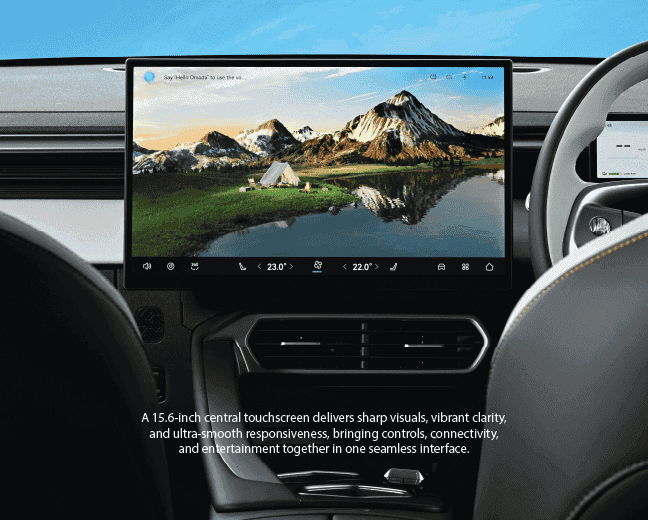
A 15.6-inch widescreen display is at the heart of the cabin, adding a premium and modern touch to the interior. Other features include front dual-layer windows with noise reduction, a 50W wireless phone charger, and an 8-speaker setup.
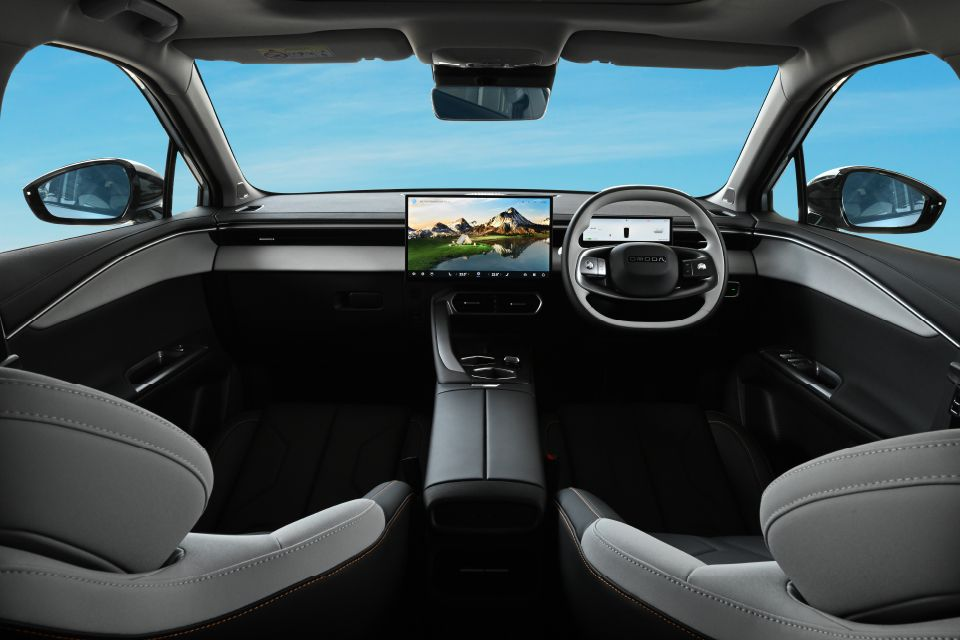
Omoda E5 Pro features a sunroof, electric tailgate, ambient lighting, driver seat ventilation, relaxing massage function, and a driver-centered layout. All these details are important since it is a much more polished experience to use the E5 Pro in a day-to-day setting than its impressive on paper.
The OMODA E5 Pro is officially priced at NPR 51,59,000 for the Single Tone variant and NPR 51,99,000 for the Dual Tone variant, offering exceptional value for buyers seeking a premium electric SUV in Nepal.
The Omoda E5 Pro comes in Single Tone & Dual Tone. There are mainly cosmetic differences. Single Tone is a vehicle with a single exterior colour, Dual Tone features an accent roof, which gives a car more contrast and a better class of finish. Both variants have the same features and performance.
EMI plans usually require a 40% down payment, are available for 5-7 years with an interest rate of 8-9% and offer no zero down payment option now. This is helpful for people who want to understand what they will be paying each month for the ownership of the unit before booking it. When comparing payment options, the official pricing & finance page is the first place to check out.
With Omoda Jaecoo Nepal, you can enjoy worry-free EV ownership with a trusted service network, authentic parts, ongoing insurance coverage, and an industry-leading extended battery warranty, ensuring the long-term value of your investment.
Our extended warranty provides additional coverage that extends the battery warranty from 8 years/180,000 km to 11 years/240,000 km and the motor warranty from 8 years/160,000 km to 11 years/200,000 km. This is an extra layer of protection and a testament to our commitment to worry-free, long-lasting EV adoption in Nepal.
Comparisons of the Jaecoo J5 are useful when determining if the buyer prefers more value or more range/power. The J5 has a 58.9 kWh LFP battery, 155 kW motor, 461 km range, 185 mm ground clearance, and a 2,620 mm wheelbase. The official price Is NRS 56,99,000 for the J5, making it more expensive than the E5 Pro.
For direct model comparison use the Jaecoo J5 model page if you wish to have it.
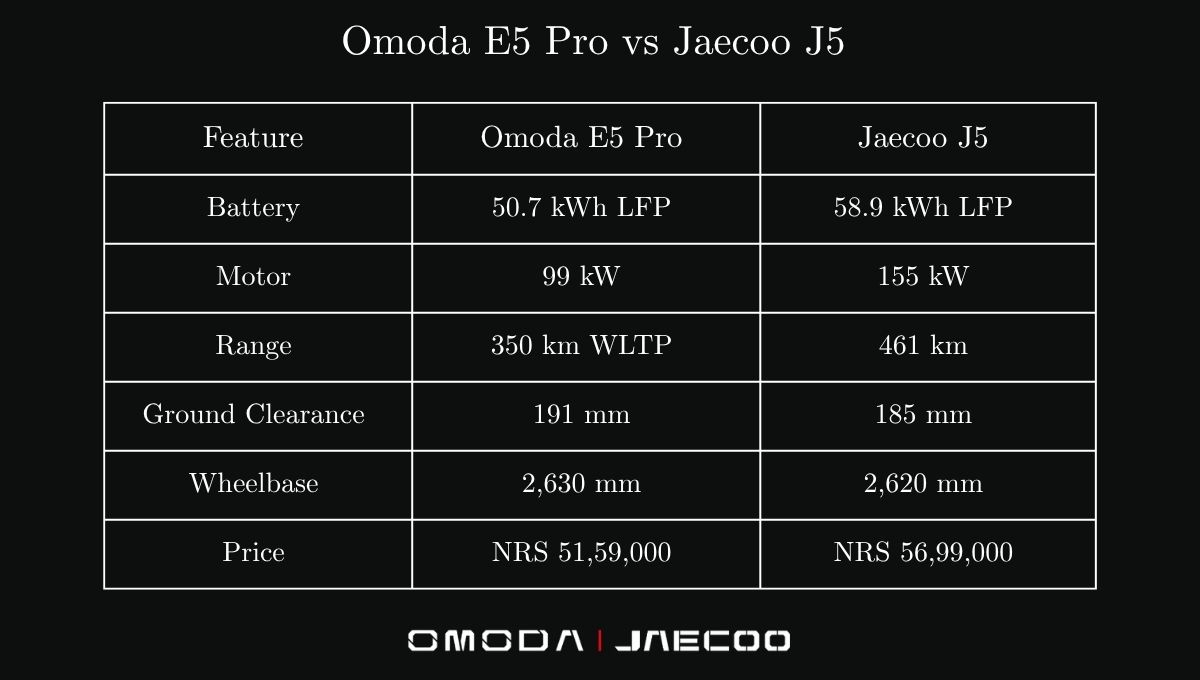
The OMODA E5 Pro offers ultimate premium EV driving moment, practical driving range, convenient charging facilities, spacious ground clearance, high-end security functions, and thorough support under our warranty, charging network, after-sales and ownership programs.
It is quite a competitive choice for Nepal buyers who wish to have a high-end electric vehicle that is comfortable to use on a day-to-day basis.
The Omoda E5 Pro would be a great choice for drivers who primarily drive in the city but occasionally take trips along highways. In addition to its extensive range, it comes with improved cabin technology, better charging capabilities, and additional features for a longer journey that make it more comfortable and convenient. Owners can take advantage of the official charging network to help plan longer trips with confidence.
The Omoda E5 Pro achieves this success by providing a full EV experience, not just by counting on one number. It features a 50.7 kWh LFP battery, 350 km WLTP range, 99 kW motor, 288 Nm torque, 19+ ADAS systems, a 540° camera, 191 mm ground clearance and robust after-sales service.
The Omoda E5 Pro is a competitive choice in Nepal's premium EV segment for those seeking a high-quality electric SUV that combines cutting-edge technology, safety features, functionality, and value. Learn more or take the next step by visiting our official Omoda Jaecoo Nepal website to view models, compare features, try a test drive, and learn about our EV ownership solutions.
The Omoda E5 Pro is powered by a 50.7 kWh LFP battery.
The official range with WLTP (New) is 350 km.
The electric motor produces a power of 99kW and a torque of 288 Nm.
This car has 191 mm of ground clearance.
The Omoda E5 Pro features 19+ advanced driver safety systems.
Yes, it supports up to 110 kW DC for fast charging.
It uses the CCS2 charging standard.
The Boot capacity is 442 liters.
Yes, it can handle 3.3 kW V2L.
The official starting price NRS 51,59,000 for the single tone and NRS 51,99,000 for the dual tone.
Single tone is when one outer colour is used while dual tone includes a contrasting outer colour (roof/upper section) for a more upscale appearance.
Yes, particularly with strategically planned charging stops, which are displayed every 60 km on the charging page along stretches of main roads and in major cities.
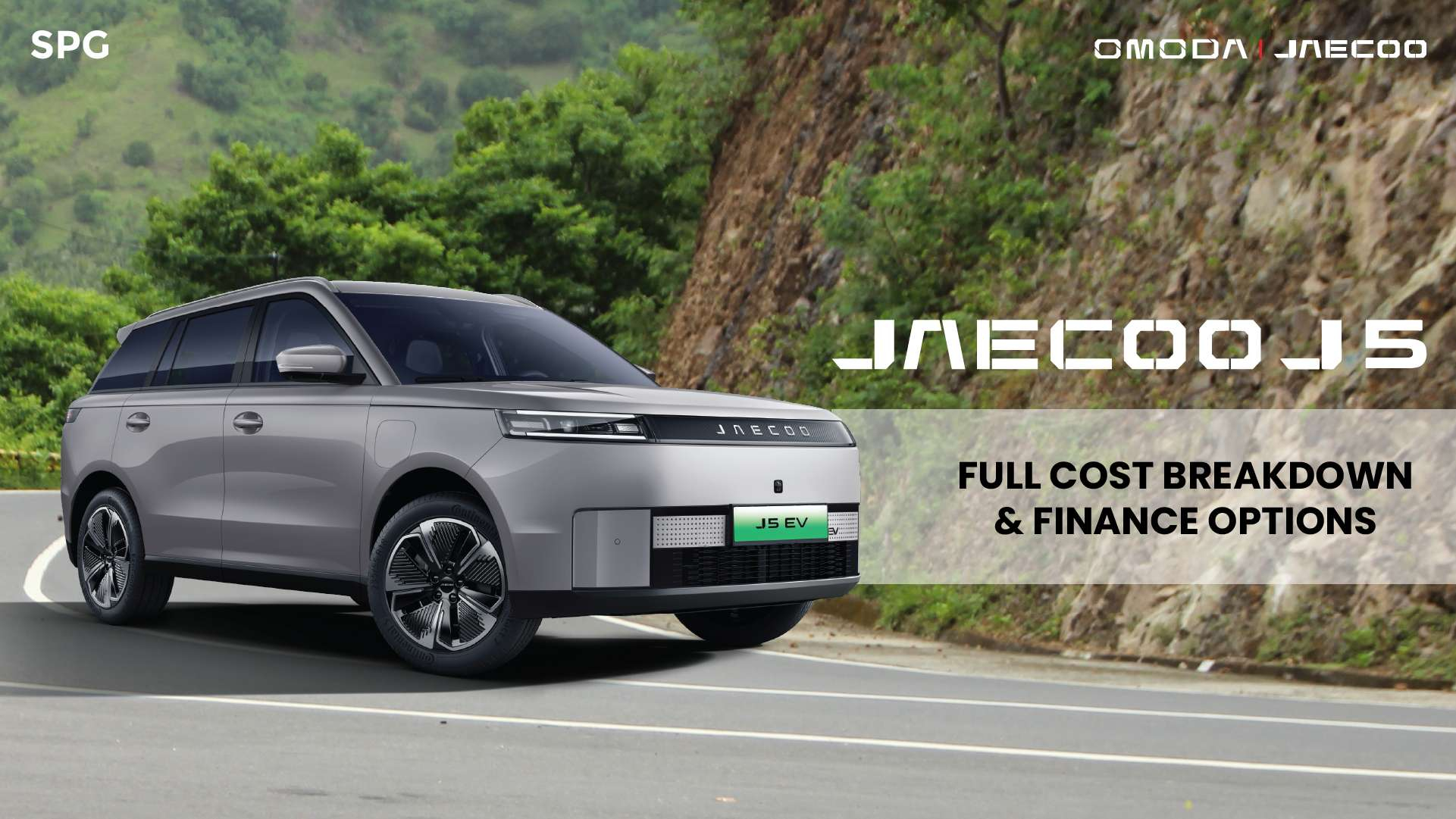
Jaecoo J5 Price in Nepal: Full Cost Breakdown & Finance Options
August 12, 2026
Jaecoo J5 Price in Nepal: Full Cost Breakdown & Finance Options
August 12, 2026
Nepal's electric vehicle market is on the move and today, all EV buyers are looking for more than just an electric SUV. Their priorities include extended range, high levels of safety, superior comfort, low ownership expenses, and solid after-sales service.
The Jaecoo J5 EV is designed to meet those expectations and is one of the top-quality electric SUVs available on the market. The J5 combines sophisticated design, intelligent technology, strong performance, and everyday practicality. to provide a total ownership experience for drivers in Nepal.
From commuting in Kathmandu, to weekend trips to Pokhara, to driving across Chitwan, to finding a reliable family SUV in Biratnagar, Butwal, or Dharan, the Jaecoo J5 is designed for diverse driving experiences.
However, before they make a buying decision, most buyers ask themselves one question:
In this guide, you will find all the details about pricing, EMI options, specifications, battery, range, charging, safety, costs of owning the J5, and comparing it with other high-end EVs available in Nepal.
|
Specification |
Details |
|
Official Price |
NPR 60.99 Lakh |
|
Introductory Offer Price |
NPR 56.99 Lakh |
|
Motor |
155 kW PMSM |
|
Maximum Power |
211 PS |
|
Maximum Torque |
288 Nm |
|
Battery Type |
LFP (Lithium Iron Phosphate) |
|
Battery Capacity |
58.9 kWh |
|
Claimed Range |
Up to 461 km |
|
Drive Type |
FWD |
|
Acceleration |
0–100 km/h in 7.7 seconds |
|
Ground Clearance |
185 mm |
|
Boot Space |
480 Liters |
|
Wheels |
18-inch Alloy Wheels |
|
Seating Capacity |
5 |
|
Airbags |
6 |
|
Safety Technology |
L2+ ADAS (19+ Functions) |
|
Official Distributor |
SPG Automobiles Pvt. Ltd. |
The price of Jaecoo J5 in Nepal is NPR 60.99 lakh (MRP).
At launch, we introduced the JAECOO J6T at a special introductory price of NPR 56.99 lakh during the NAIMA Auto Show, giving early customers the opportunity to own the SUV at an exclusive launch price for a limited period.
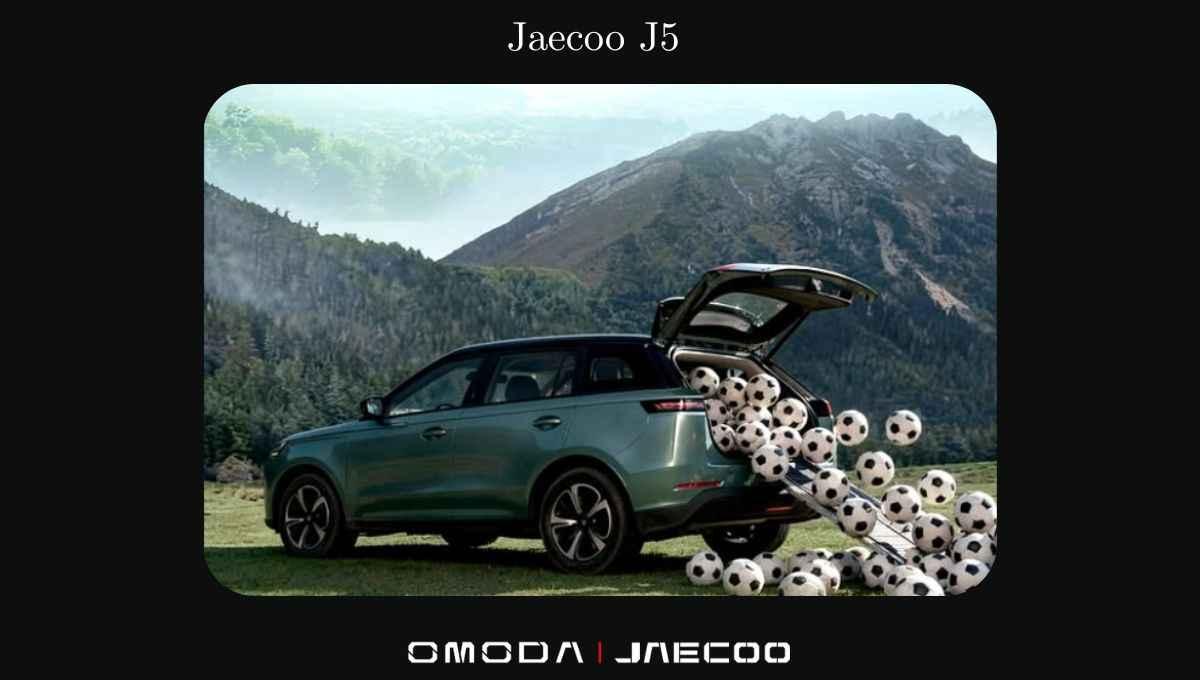
The JAECOO J5 is officially available in Nepal through SPG Automobiles Pvt. Ltd., the authorized distributor of Omoda and JAECOO vehicles in Nepal.
Buyers can check the official Jaecoo J5 model page and official price page for the latest updates.
This Jaecoo J5 isn't just another EV making its debut in Nepal's expanding market.
It combines:
· Premium SUV styling
· Innovative driver assistance technologies
· Long driving range
· Spacious family-friendly interior
· Modern connectivity features
· Intelligent safety technologies
· Strong ownership support
The J5 offers a well-rounded package that caters to both the family and the professional and tech-savvy buyers.
Showroom price is just a component of the total cost of ownership.
Purchasing a new EV, buyers should also consider:
|
Cost Component |
Notes |
|
Vehicle Price |
NPR 60.99 Lakh |
|
Registration Charges |
Varies by province |
|
Insurance |
Depends on policy coverage |
|
Financing Costs |
Based upon lender terms |
|
Accessories |
Optional |
|
Home Charging Setup |
Optional |
The total cost of the vehicles on the road will depend on where the vehicles are, the financing arrangement, and add-ons.
One of the most popular options for acquiring a high-quality EV in Nepal is financing.
Using an illustrative example:
· The price of the vehicle is NPR 60.99 lakh.
· Down Payment: 40%
· Loan Amount: 60%
· Interest Rate: 8.5% (illustrative)
|
Loan Tenure |
Down Payment |
Loan Amount |
Estimated EMI* |
|
5 Years |
NPR 24,39,600 |
NPR 36,59,400 |
~ NPR 75,000/month |
|
7 Years |
NPR 24,39,600 |
NPR 36,59,400 |
~ NPR 58,000/month |
|
8 Years |
NPR 24,39,600 |
NPR 36,59,400 |
~ NPR 53,000/month |
These are only indicative estimates with an assumed interest rate of 8.5% per annum. The actual EMI amount can differ, based on the policies of the lender, processing fee, insurance costs, and final terms of the loan.
The Jaecoo J5 deliver high electric performance, high levels of comfort and cutting-edge technology.
|
Specification |
Details |
|
Motor Type |
Permanent Magnet Synchronous Motor (PMSM) |
|
Power Output |
211 PS |
|
Torque |
288 Nm |
|
Drive Type |
Front-Wheel Drive (FWD) |
|
Acceleration |
0–100 km/h in 7.7 seconds |
|
Top Speed |
Approximately 180 km/h |
As with all electric vehicles, the J5 offers instant torque for easy city driving and for highway running and overtaking. There is no lack of confidence.
|
Specification |
Details |
|
Battery Type |
LFP (Lithium Iron Phosphate) |
|
Battery Capacity |
58.9 kWh |
|
Claimed Range |
Up to 461 km |
|
Charging Support |
Fast Charging & AC Charging |
The 58.9 kWh battery will give enough range for daily commuting and intercity travel.
Most owners can easily charge for several days in the urban setting without the need for recharging.
Find Every Electric Vehicles Charging Stationsin Nepal.
The Jaecoo J5's adaptability to the varying driving conditions in Nepal is one of its standout features.
The spacious ground clearance ensures easier and more stable driving:
· Speed breakers
· Uneven roads
· Rural routes
· Seasonal road conditions
The J5 features:
· Front MacPherson Strut Suspension
· Rear Multi-Link Suspension
This configuration enhances overall rideability, stability, and handling performance on diverse road conditions.
The vehicle offers:
· 480-liter boot space
· Spacious cabin layout
· Comfortable seating for five adults
· Practical storage solutions
Its features are ideal for commuting day-to-day and travelling long distances with families.
The Jaecoo J5 is very tech-savvy and also prioritizes comfort.
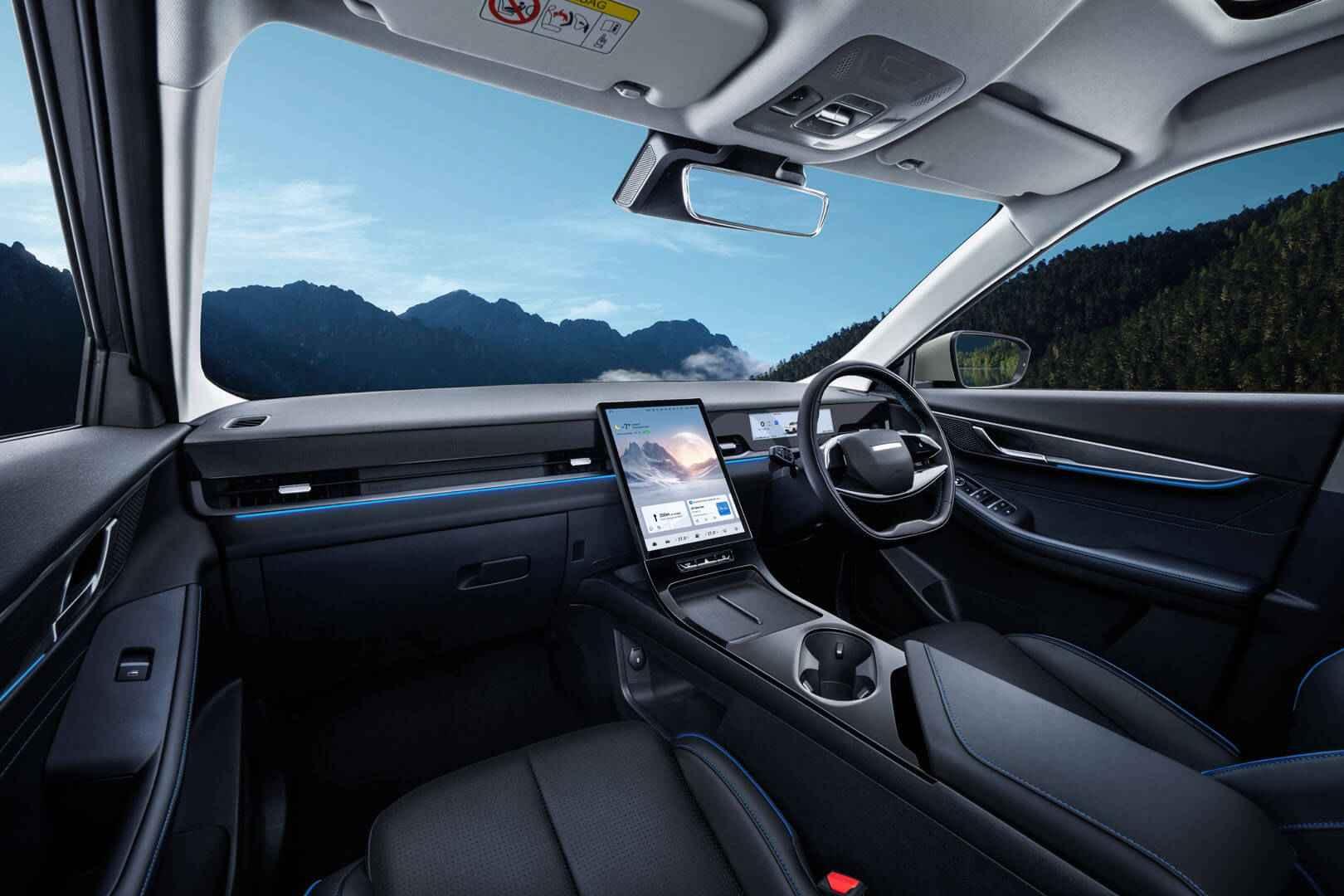
· 13.2-inch Vertical Touchscreen
· 8-inch Fully Digital Instrument Cluster
· Wireless Apple CarPlay
· Wireless Android Auto
· Wireless Charging
· Dual-Zone Climate Control
· Ambient Interior Lighting
· Ventilated Front Seats
· Heated Front Seats
· Panoramic Sunroof
· OTA (Over-the-Air) Updates
All these attributes help to deliver a high-quality ownership experience that has a strong level of competitiveness in its segment.
One of the greatest advantages of the Jaecoo J5 is its safety.
· 6 Airbags
· Electronic Stability Control
· Vehicle Stability Control
· Traction Control System
· Tire Pressure Monitoring System
· Electronic Parking Brake
· Auto Hold Function
The J5 includes more than 19 intelligent driver assistance functions, including:
· Adaptive Cruise Control
· Lane Departure Warning
· Lane Keep Assist
· Autonomous Emergency Braking
· Blind Spot Detection
· Traffic Sign Recognition
· Driver Monitoring Functions
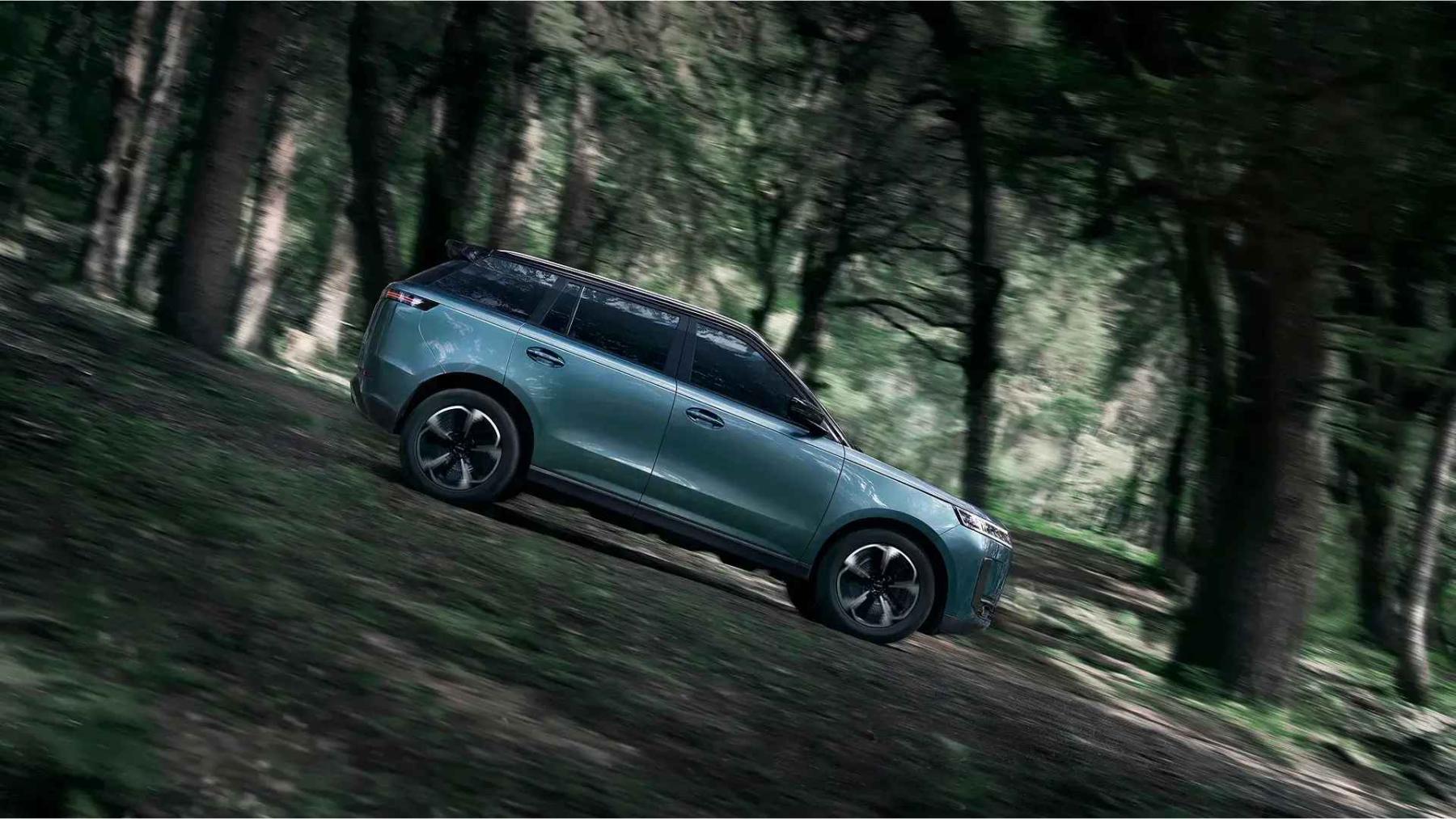
The 540° panoramic camera system with underbody view is also a highlight that supports the driver when parking in narrow streets or on difficult roads.
The Jaecoo J5 is perfect for:
· Upgraders from compact SUVs to families.
· People looking for a high-end EV below NPR 70 lakh.
· Frequent city-to-city travelers.
· Experts looking for a feature-packed electric SUV
· Safety and advanced driver assistance systems are important factors for buyers.
· New car buyers desiring a high-end ride in an EV.
The J5 delivers impressive tech, comfort, safety, utility and performance.
Buyers who prioritize the lowest possible EV purchase price, however, might be more inclined to opt for an alternative in lower segments.
The best EV driving experience goes beyond just the battery.
Omoda Jaecoo Nepal assist its customers through:
· Expanding charging infrastructure
· Nationwide service support
· Availability of genuine spare parts.
· Customer support programs
· Warranty coverage
The Jaecoo J5 stands out by combining performance, safety, technology, comfort, and practicality into one well-rounded premium electric SUV.
Key strengths include:
✓ Premium SUV design
✓ Up to 461 km claimed range
✓ Powerful 211 PS electric motor
✓ 0–100 km/h in 7.7 seconds
✓ 185 mm ground clearance
✓ 480-liter boot capacity
✓ 13.2-inch touchscreen infotainment
✓ 540° panoramic camera
✓ L2+ ADAS technology
✓ 6 airbags
✓ Comprehensive ownership support
The J5's performance, safety, technology, and flexibility make it an attractive premium EV choice for many Nepalese buyers.
The Jaecoo J5 is more than just a vehicle joining the fast-expanding electric vehicle market in Nepal.
At NPR 60.99 lakh, with a range of up to 461 km claimed, a powerful 211 PS electric motor, premium interior features, advanced L2+ ADAS technology, and strong ownership support, it is one of the most complete packages that are available in the premium EV segment of Nepal.
The Jaecoo J5 offers a good mix of performance, technology, usability and value, making it an interesting choice for buyers looking to compare premium electric SUVs in Kathmandu, Pokhara, Chitwan, Biratnagar, Butwal, Dharan and elsewhere.
Ready to own the Jaecoo J5 yourself? Visit the Jaecoo J5 model page, view the updated pricing or schedule a test drive at Omoda Jaecoo Nepal to determine if this high-end electric SUV is the right choice for your lifestyle and driving requirements.
The official price of Jaecoo J5 in Nepal is NPR 60.99 lakh.
The Jaecoo J5 is a good choice for anyone looking for a high-quality electric SUV that has a decent range, cutting-edge safety technologies, and robust ownership assistance. Its performance, comfort, and affordability make it for competitive price segment in the premium EV market in Nepal.
The launch offer price announced during NAIMA was NPR 56.99 lakh.
The J5 has a 58.9 kWh Lithium Iron Phosphate (LFP) battery.
The claimed range for the vehicle is up to 461 km.
The electric motor delivers 211 PS and 288 Nm of torque.
The SUV is capable of reaching 0–100 kmph in about 7.7 seconds.
The Jaecoo J5 has a ground clearance of 185 mm.
Yes. The car comes with over 19 L2+ safety features.
Yes. Financial institutions offer financing options.
Omoda E5 Pro Price in Nepal 2026: On-Road Cost, Variants & EMI
August 12, 2026
Omoda E5 Pro Price in Nepal 2026: On-Road Cost, Variants & EMI
August 12, 2026
When selecting a premium EV in Nepal, range, technology, comfort and overall driving experience are the crucial factors to consider. With its high-quality cabin, convenient electric range, state-of-the-art safety devices and engineering for confident road riding, the Omoda E5 Pro combines all these.
For most buyers, the actual question is not only the showroom sticker price. The real question for most buyers is whether the Omoda E5 Pro price in Nepal still makes sense once on-road costs, financing, charging, and long-term ownership are considered.
The OMODA E5 Pro is priced at NPR 51,59,000 for the Single Tone variant and NPR 51,99,000 for the Dual Tone variant in Nepal. At launch, we also introduced a special introductory price of NPR 49,99,000 for the first 50 customers as a limited-time offer.
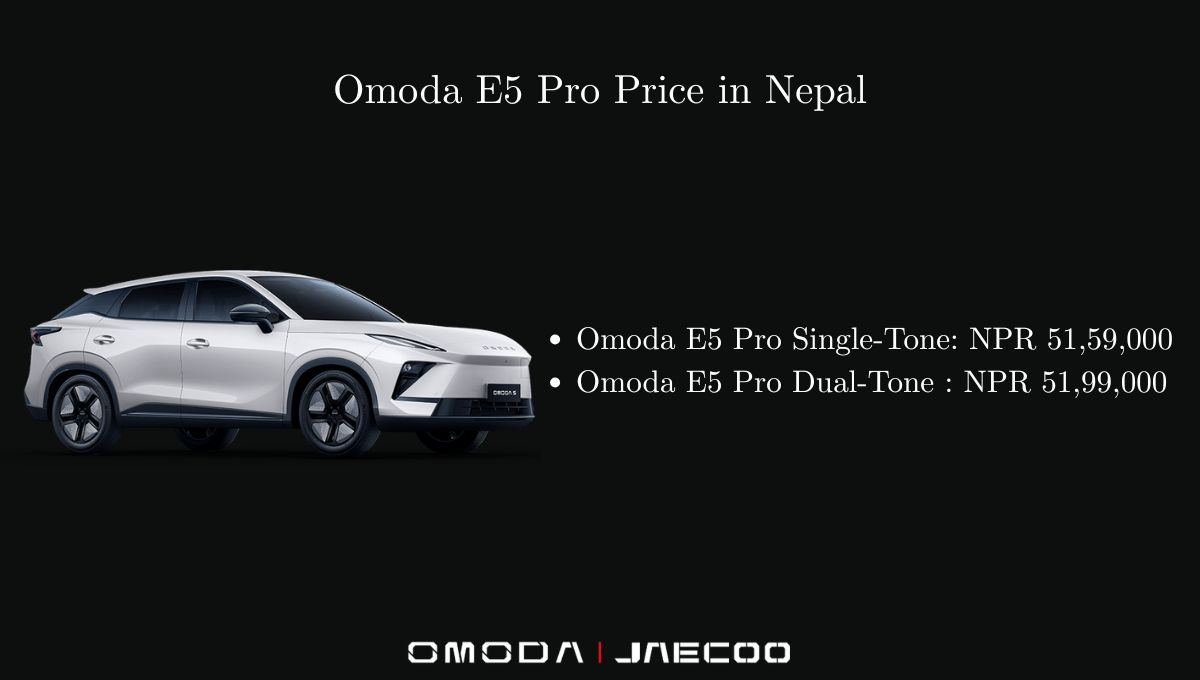
Omoda E5 Pro price in Nepal is simple, but the value varies according to the different finish and package.
The single tone version is the purer option for those looking for the entry level.
The dual-tone version is for customers that want a more unique style and feel of the premium version but are not changing the hardware.
The official prices a in Nepal:
|
Variant |
Official Price |
|
Omoda E5 Pro Single-Tone |
NPR 51,59,000 |
|
Omoda E5 Pro Dual-Tone |
NPR 51,99,000 |
The difference between the two variants is NPR 40,000. From a business perspective, that implies the Omoda E5 Pro price in Nepal is not that distant among the trims; so, most buyers ought to pick the vehicle based more on looks than on the expectation of a significant jump in features.
This is just the showroom price. You can expect the final price of the Omoda E5 Pro on road in Nepal to be a bit higher due to on road expenses such as registration, road tax or road fund charges, insurance charges and dealer or processing fees.
The benefits of EV policy can lower the total, but how much depends on the existing government rule set and the city where the car is registered.
To give buyers a clearer understanding of the total ownership cost, it's best to present the OMODA E5 Pro price in Nepal as both the official showroom price and the estimated on-road price. This will enable the buyers of Kathmandu, Pokhara, Chitwan, Butwal, Biratnagar, and Dharan to grasp why there might be a minor difference in the end of the bill. For the most accurate and up-to-date pricing, always verify the latest figures on the official pricing page before making a purchase decision.
With financing options, the Omoda E5 Pro is more accessible for those who prefer to make monthly payments rather than paying it all upfront.
The government policy now stands that EVs must have at least 40% down payment. Repayment periods are usually 5 or 7 years, and interest rates are typically 6% to 8% and are dependent on the bank.
The actual EMI may differ slightly as interest rates and loan approval differ from bank to bank. Below are some scenarios to give you an idea of how much the Omoda E5 Pro will cost you to own in Nepal.
|
Item |
Amount |
|
Official price |
NPR 51,59,000 |
|
Minimum down payment (40%) |
NPR 20,63,600 |
|
Loan amount (60%) |
NPR 30,95,400 |
|
5-year EMI at 6% |
NPR 59,727/month |
|
7-year EMI at 6% |
NPR 45,132/month |
|
Item |
Amount |
|
Official price |
NPR 51,99,000 |
|
Minimum down payment (40%) |
NPR 20,79,600 |
|
Loan amount (60%) |
NPR 31,19,400 |
|
5-year EMI at 6% |
NPR 60,307/month |
|
7-year EMI at 6% |
NPR 45,570/month |
These are based on a down payment of 40%, annual interest of 6%, and standard amortized loan math. EMI may vary depending upon the bank, loan processing fee, and the actual interest rate that is granted. The bottom line is that, with a realistic long-term EMI plan and common sense 40% down payment policy, the Omoda E5 Pro price in Nepal becomes considerably more attainable.
Disclaimer: To get a more accurate monthly payment estimate based on your preferred bank and loan terms, use the EMI calculator before visiting the showroom.
Omoda E5 Pro is an all-in-one solution that delivers performance, comfort, safety, and convenience for everyday driving in Nepal. It comes with a 50.7 kWh Lithium Iron Phosphate (LFP) battery and a 99-kW electric motor with 288 Nm of torque, ensuring smooth and responsive acceleration on city streets, highways, and on steep inclines. Most owners can comfortably make a day of commuting, a weekend trip, or longer journeys even with a WLTP range of up to 350 km and with planning of charging sessions.
The hardware specifications are also crucial for different roads in Nepal. Proudly, the 191 mm ground clearance allows the E5 Pro to tackle speed bumps, rough surfaces, uneven roads, and the monsoon roads with greater confidence.
The car even features a respectable water wading capacity of 625 mm and slope climbing ability of 55%, making it more suitable for the steep hill roads, seasonal flooding, and tough driving conditions faced in Kathmandu, Pokhara, Chitwan, Butwal, Dharan and other parts of the country.
The interior boasts a 15.6-inch, widescreen infotainment touchscreen display with a 540° surround-view camera system for easier parking and handling in urban areas and an 8.88-inch digital instrument cluster.
A 50W wireless charging pad, electric tailgate, electric sunroof, and multi-color ambient lighting are added to every-day convenience, while ventilated front seats, a driver massage function, and front dual-layer noise-reduction windows promote a more serene and comfortable cabin atmosphere.
An 8-speaker Sony sound system provides ample entertainment on the go, whether using it during the daily commute or long-distance travel. The Omoda E5 Pro's electric drive system, high-end interior amenities, and user-friendly applications in real-world driving situations create a seamless driving experience that goes beyond simply being an electric vehicle.
Beyond performance, range, and technology, safety is a key part of the Omoda E5 Pro's value proposition. Omoda E5 Pro features 19 advanced driver assistance systems designed to enhance driver awareness and reduce risk, including Blind Spot Detection, Adaptive Cruise Control, Forward Collision Warning, Automatic Emergency Braking, and Traffic Jam Assist.
Each of these is important in its own context on Nepal roads:
· LDW assists in maintaining lane discipline in the event of inconsistent lane discipline on a long highway drive.
· LDP is effective during driver drifts caused by fatigue or in rainy conditions.
· BSD facilitates traffic in the city and narrow overtakes.
· FCW and AEB are useful for braking in an emergency.
· ACC and TJA cut fatigue while traveling in Kathmandu for slow traffic.
To keep the driver alert during a long or repetitive commute, DAI helps to do so.
The original warranty covers 8 years / 180,000 km for the battery and 8 years / 160,000 km for the motor. The added extended layer gives them an additional 3 years / 60,000 km, bringing the total coverage to 11 years / 240,000 km for the battery and 11 years / 200,000 km for the motor.
One important point to note is that the 11-year extended warranty is available when the vehicle maintains continuous insurance coverage with Himalayan Everest Insurance Ltd. the warranty also excludes damage caused by accidents, normal wear and tear, unauthorized modifications or repairs, misuse, and other conditions specified in the warranty terms.
Understanding these conditions gives buyers a clearer picture of the overall ownership value of the OMODA E5 Pro, beyond just its purchase price.
If you're considering an extended warranty, be sure to check the extended warranty page before you make your purchase.
Home charging will be the predominant charging solution for the majority of owners. We can also install a compatible home charger to make all days of charging easier.
Standard AC charging typically takes around 3–4 hours to charge the battery from 30% to 80%, while DC fast charging can achieve the same level in approximately 40–45 minutes, depending on the charger and charging conditions.
We also encourage EV ownership by providing charging stations at Sitapaila and Uttardhoka in Kathmandu and charging stations along major highways for longer trips across Nepal.
That's important since the actual EV ownership dilemma is not just the Omoda E5 Pro price in Nepal. It's about how the car feels everyday driving. Professional urban-dwellers may just need overnight AC charging.
For longer journeys between Kathmandu, Pokhara, Chitwan, Butwal, Biratnagar, and Dharan, public charging stations serve as a convenient backup to home charging, making intercity travel more practical and predictable.
The wider support network is equally important. With over 18 sales outlets and 15 service centers across Nepal, Omoda Jaecoo ensures that sales, service, and aftersales assistance are never far away, giving owners greater confidence whether they are commuting within the city or traveling between major destinations across the country.
You can refer the charging stations page for-route planning and bookmark the service network page. In case of a maintenance need, you can begin on the service request page.
The price of Omoda E5 Pro in Nepal will appeal to those who are looking for high-end EV features without entering a higher luxury segment.
For EV buyers, it appeals to them, as the range, charging infrastructure and ADAS package alleviate the concerns of potential electric vehicle adopters.
It will be appreciated by urban professionals with its modern, quiet and easy-to-live feel to the cabin.
Low emission driving and the convenient ground clearance of Nepali roads will be good for eco-friendly families.
The warranty, brand image and nationwide support network will be of value to corporate and fleet customers.
Comparison shoppers will appreciate the fact that the Omoda E5 Pro combines transparent pricing with a comprehensive list of features, making it easier to evaluate against other premium EVs.
When you're making your list of things you want in a car, you'll want to include style, comfort, safety, and support, and this car is worth visiting a showroom.
Booking should be easy, rather than complicated.
You can check the model first on the Omoda E5 Pro page and then the latest price on the pricing page simultaneously. Then, schedule a test drive on the book appointment page. If you still have questions, please contact us via the contact page, and talk to the showroom team.
A good booking journey looks like this:
1. Read the details of the model.
2. Review the price on the current market.
3. Check the warranty and charging requirements.
4. Book a test drive.
5. Visit the showroom.
6. Get an on-road quote and EMI sheet.
This process assists buyers to compare the Omoda E5 Pro price in Nepal with the actual monthly charges, not only the car price.
The Omoda E5 Pro price in Nepal is quite significant when you consider the value beyond the price tag. Its 50.7 kWh LFP battery, 350 km WLTP range, 99 kW motor, 19 ADAS systems, premium comfort, and extended warranty coverage package provides an efficient and balanced EV driving experience for Nepali drivers.
The Omoda E5 Pro is equipped with a strong sales and service network, flexible financing options, and comprehensive aftersales support systems, all of which are designed to equip drivers with the confidence to navigate the country's roads with ease.
Ready to make the switch to electric? Explore the latest pricing, review financing options, and book a test drive through the Omoda Jaecoo Nepal website.
The official price for the single tone variant is NPR 51,59,000 and for the dual tone variant it is NPR 51,99,000. The brand also announced that the first 50 customers will be offered a launch offer of NPR 49,99,000.
The on-road price is always greater than the showroom price as it includes the registration fees, road tax or road fund charges, insurance, and processing fees. This varies depending on location and policy.
The existing policy requires buyers to put down at least 40% in down payment. The interest rate is generally 6% to 8% depending on the bank, and there are typically 5-year and 7-year terms for repayment. The monthly estimated EMI would be NPR 45132 for 7 years with 6% interest, and NPR 45570 for 7 years with 6% interest in the single tone and dual tone variants respectively.
The official range of the WLTP in Nepal is 350 km, which is adequate for city driving and for many intercity journeys on good driving.
Yes. It is more practical on speed bumps, monsoon roads, and rough surfaces with the 191 mm ground clearance and 625 mm water wading depth and 55% slope capability.
Yes, you can conveniently charge your OMODA or JAECOO EV at home using a compatible home charging station.
It takes approximately 3-4 hours to reach 30% to 80% charge, and at fast charging, it takes about 40-45 minutes for 30% to 80% charge.