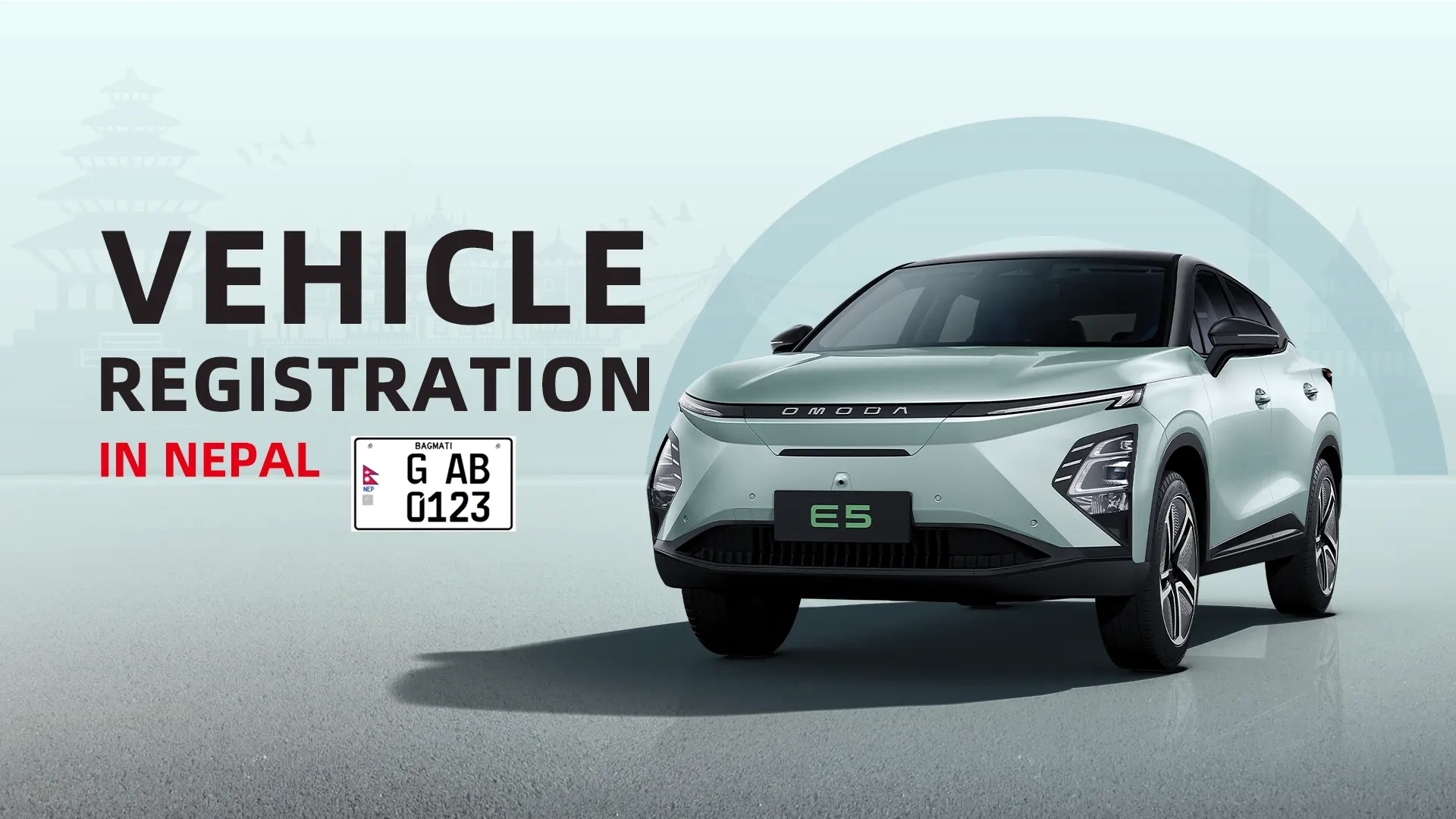
Vehicle Registration in Nepal: Importance, Rules, and Common Violations
January 20, 2026
Vehicle Registration in Nepal: Importance, Rules, and Common Violations
January 20, 2026
Vehicle registration in Nepal is a legal formality that you need to complete after buying your vehicle.
Vehicle registration allows your vehicle to operate lawfully on public roads. The rule applies for every vehicle, even for EVs; proper registration ensures that you follow national transportation laws.
The act helps you avoid fines, penalties, or legal complications.
Here, we have contained information that will help you know about the importance of vehicle registration in Nepal along with rules and common violations.
Vehicle registration is the official process of recording a vehicle with the Department of Transport Management (DoTM).
Once your vehicle is registered, it receives a unique registration number and a registration certificate, commonly known as the Bluebook.
This registration acts as legal proof that:
It is illegal to drive a vehicle on Nepali roads without a valid registration.
Registering your vehicle is essential for several reasons:
In short, vehicle registration serves to protect both the owner and the public.
All vehicle owners must follow the registration rules set by the transport authorities. The general process includes:
Firstly, the owner should submit their required documents: proof of identity, vehicle purchase invoice, insurance papers, and tax payment receipt.
The registration form must be submitted at the designated transport office under the Department of Transport Management.
Certain vehicles may undergo inspection to confirm roadworthiness and compliance with regulations.
Pay the required fee and tax according to the vehicle type. The payment cost varies depending on the vehicle type, not just with wheel count but also with engine type.
Once approved, the vehicle receives a Bluebook and official number plates, which must be displayed correctly at all times.
After vehicle registration, things don’t end there; their owners must regularly renew their Bluebook. Owners also need to pay their vehicle tax regularly and on time.
Keeping registration and tax records up to date is critical for continued legal driving.
Many traffic fines and penalties occur due to avoidable registration-related mistakes. Common violations include:
Owners of vehicles can maintain compliance by taking these easy actions:
These precautions ensure a hassle-free driving experience and help you avoid penalties.
If you own a vehicle, it is a mandatory and essential responsibility of yours to register it.
Getting your vehicle registered ensures legal compliance, supports road safety, protects ownership rights, and helps authorities manage traffic effectively.
If you understand the importance of registration and rules, it will help to avoid common violations. With that vehicle, owners can drive with confidence and peace of mind.
Get yourself our best EV in Nepal, “Omoda & Jaecoo,” and get it registered to ride with confidence.